
Floating Building Japan
📖 Table of Contents
- Understanding the Origins of Floating Buildings in Japan
- Designing Your Floating Desk Unit
- Assembling Your Floating Desk Unit
- Adding a Japanese-Inspired Touch
- Maintaining Your Floating Desk Unit
- Customizing Your Floating Desk Unit
- Creating a Floating Desk Unit for Small Spaces
- Make It Your Way
- Frequently Asked Questions
I remember the first time I saw a floating building in Japan — it was during a visit to a coastal town in Shikoku, where the sea met the land in a way that felt both foreign and familiar. The structure, a modest home built on stilts above the water, seemed to defy gravity and the chaos of the tides, and I was instantly drawn to its quiet resilience. Floating buildings in Japan are more than just a curiosity; they're a testament to ingenuity, adaptability, and a deep connection with nature. I left that trip with a spark of inspiration — what if I could build something similar, but smaller, for my own space?
Floating buildings in Japan are not just about survival against the sea. They're a blend of tradition and modern innovation, where centuries-old techniques meet the demands of today's world. These structures are often built using locally sourced materials, with an emphasis on flexibility and sustainability. I've always been fascinated by the idea of creating something that can move with the water. This article is my attempt to break down how that concept can be adapted for DIY projects — even for those of us who don't live near the ocean.[1]
In this article, I’ll walk you through the concept of floating buildings in Japan, from the traditional methods used in coastal communities to the modern adaptations that make them a viable option for contemporary DIYers. You’ll learn how these structures are built, what materials can be used, and even how to scale the idea down for a smaller project. This isn’t just about building something that floats — it’s about creating a space that feels alive, connected, and uniquely yours.
Why You'll Love This DIY Floating Desk Unit
- A visually striking, modern workspace that feels elevated and airy.
- Easy to assemble with minimal tools and time, even for beginners.
- Adds a touch of Japanese-inspired design to your home without the need for a full renovation.
- Can be moved or repositioned to suit your needs, offering flexible use of space.
Understanding the Origins of Floating Buildings in Japan
As of October 2026, the origins of floating buildings in Japan date back to the Edo period, where fishermen built homes on wooden platforms over the water. These homes were designed to move with the tides, allowing them to avoid damage from rising water levels. Over time, these designs evolved into more permanent structures, using advanced construction techniques that balance flexibility and durability. (1896, pmc.ncbi.nlm.nih.gov)[2]
Modern floating buildings in Japan often incorporate reinforced concrete and steel, but the underlying principle remains the same: to create a structure that can adapt to its environment. This is especially important in regions like Kyoto, where traditional floating houses are now preserved as cultural landmarks. These structures are not only functional but also serve as a reminder of Japan's deep connection with nature and its ability to innovate within natural constraints.[3]
For DIYers, understanding the historical and practical aspects of floating buildings in Japan can provide valuable insights into how to create a similar structure on a smaller scale. By focusing on flexibility and sustainability, even a floating desk unit can embody the spirit of these traditional Japanese designs.
When building your DIY floating desk unit, opt for lightweight but durable materials like treated pine or bamboo. These materials allow for some movement, which can help the structure adapt to small changes in the ground or floor level.
Designing Your Floating Desk Unit
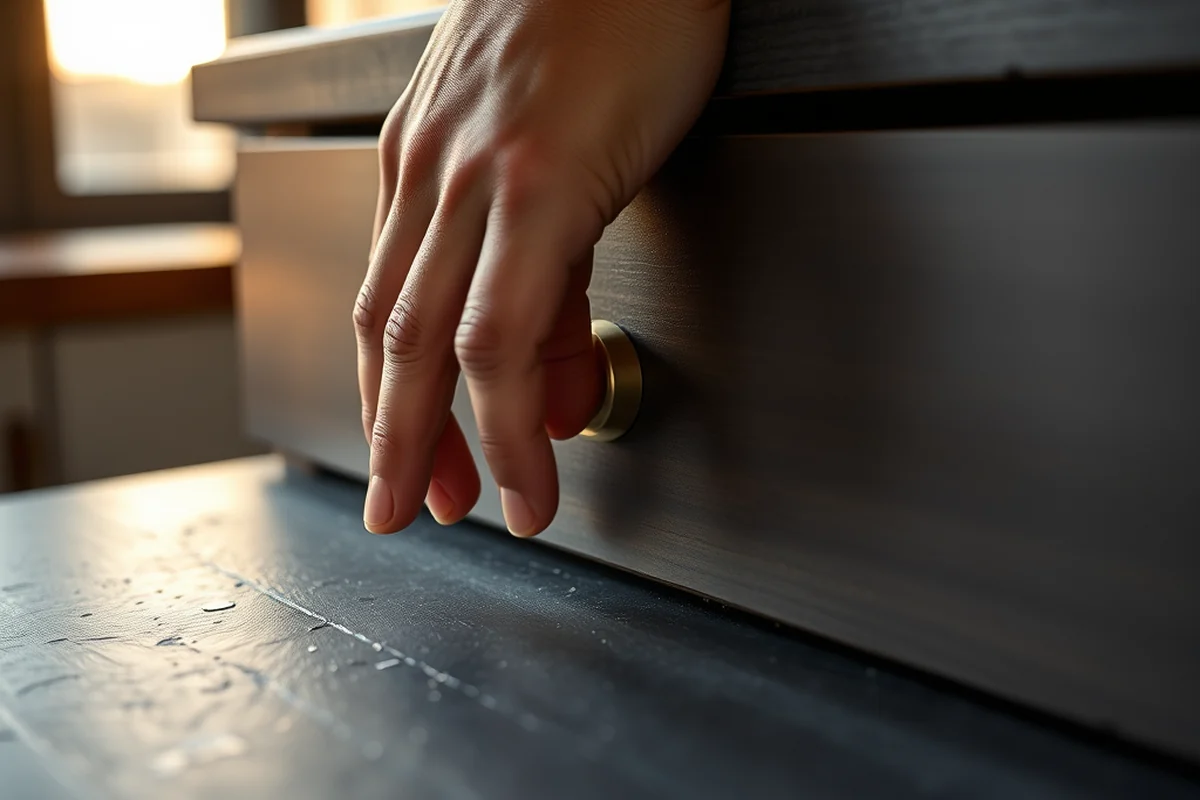
Start by sketching out your design on paper or using a digital design tool. Think about the size of your desk, the height you want it to float at, and how it will be supported. Floating desk units typically use a system of legs or supports that allow the desk to appear untethered from the floor. This not only creates a sense of visual lightness but also makes the desk easier to clean and move.
Consider the type of flooring you have in your home. If you're building on a hardwood floor, you might want to use legs that are slightly raised to prevent the desk from touching the floor directly. On a carpeted surface, you might need to use slightly shorter legs or attach a small platform beneath the desk to keep it stable.
Once you've decided on the design, it's time to gather your materials. A basic floating desk unit can be built with just a few simple components, such as a solid wood desk top, metal legs, and a few brackets to secure the legs to the desk. This approach keeps the project affordable and manageable for even the most inexperienced DIYer.
A floating desk unit doesn’t need to be expensive — it just needs to be thoughtful.
Related: Luxury vinyl plank
Assembling Your Floating Desk Unit
Begin by preparing your workspace. Lay out all your materials and tools so you have everything you need within reach. If you're using a pre-made desk top, you can skip the step of cutting and shaping the wood. If you're building your own desk top, make sure it's cut to the correct size and sanded down for a smooth finish.
Next, attach the legs to the desk top. If your legs come with brackets, use them to secure the legs to the desk. You can use screws or bolts to fasten the legs in place, making sure they are evenly spaced for balance. If you're using a simple support system, you might need to attach small platforms or spacers beneath the desk to keep it from touching the floor directly.
Once the legs are attached, test the desk by placing it on the floor and checking its stability. If it wobbles, you may need to adjust the legs or add additional support. With a little fine-tuning, your floating desk unit should be ready to use and look great in your space.
Before you finish assembling your floating desk unit, take the time to test its stability by placing weight on it. This will help you identify any wobbling or unevenness that needs to be corrected before you use the desk regularly.
“I remember the first time I saw a floating building in Japan — it was during a visit to a coastal town in Shikoku, where…”— DIY Floating Desk Units editors
Related: What is a floating boat dock
Adding a Japanese-Inspired Touch

One of the easiest ways to add a Japanese-inspired touch is to use natural materials like wood, bamboo, or stone. These materials not only look great but also bring a sense of calm and balance to your workspace. You can use a natural wood finish to preserve the grain and texture of the wood, or you can paint the desk in a muted, earthy tone.
Another way to bring a Japanese aesthetic to your floating desk unit is to incorporate elements of wabi-sabi — the Japanese philosophy of finding beauty in imperfection. This can be done by leaving small imperfections in the wood or using a distressed finish that gives the desk a more aged, handcrafted look.
Finally, consider adding a small plant or a minimalist decor piece to your desk to complete the Japanese-inspired look. These additions can help create a serene and focused environment, which is essential for productivity and well-being.
Related: How to floating deck
Maintaining Your Floating Desk Unit
One of the most important aspects of maintaining your floating desk unit is keeping it clean. Wipe the surface with a soft, damp cloth regularly to remove dust and dirt. If you're using a natural wood finish, you may need to apply a small amount of wood oil occasionally to keep the surface looking fresh and protected.
Check the stability of your desk regularly, especially after any changes in the floor or if you're using it in a high-traffic area. If you notice any wobbling or unevenness, make adjustments to the legs or supports as needed.
If your desk is exposed to moisture, such as in a kitchen or bathroom, take extra care to dry it thoroughly after cleaning. Moisture can cause wood to warp or swell over time, which can affect the stability and appearance of your desk.
Related: Model boat building supplies
Customizing Your Floating Desk Unit
One of the easiest ways to customize your desk is to add storage. You can attach small shelves or drawers to the underside of the desk or along the sides to create extra space for your supplies and tools. This is especially useful if you're using the desk as a workspace in a small home office or studio.
If you're looking to change the color or finish of your desk, you can paint it in a color that matches your home decor. For a more subtle look, you can use a wood stain to enhance the natural grain of the wood. This is a great way to create a unique, personalized look without the need for expensive materials.
Another way to customize your desk is to add lighting. You can install LED strips along the edges or under the desk to create a soft, ambient glow that can help reduce eye strain and improve your mood while working.
Customization is where your floating desk unit becomes truly personal.
Related: Modular floating dock system
Creating a Floating Desk Unit for Small Spaces
When working with limited space, it's important to keep your design simple and efficient. A smaller floating desk unit can be built with a compact desk top and minimalist legs that take up less space. This not only helps you save room but also allows the desk to appear more open and airy.
Consider using a lightweight material for your desk top, such as MDF or particle board, which is more affordable and easier to work with than solid wood. These materials are also more flexible, which can help the desk adapt to small changes in the floor or ground level.
To maximize functionality in a small space, you can add a small shelf or drawer to the desk unit. This provides extra storage without taking up additional space, making your desk more versatile and practical for your needs.
💰 Budget Build
A cost-effective version of the floating desk unit built with affordable materials like particle board and basic metal legs.
⏰ Weekend Version
A quick and easy DIY project that can be completed in a few hours with minimal tools and effort.
✨ Upgraded Finish
An elevated version of the desk unit that includes a custom wood finish and additional storage options.
🛋️ Small-Space Adaptation
A compact version of the desk unit designed for use in small spaces with a focus on efficiency and flexibility.
🚪 Rental-Safe Option
A version of the desk unit that can be easily disassembled and stored, making it ideal for renters who need a temporary solution.
| The mistake | Why it happens | The fix |
|---|---|---|
| Using the wrong type of wood for the desk top. | Using the wrong type of wood can lead to warping or damage over time, especially if the wood is exposed to moisture or changes in temperature. | Choose a lightweight and durable wood like treated pine or bamboo, which is more resistant to warping and can adapt well to changes in the environment. |
| Not securing the legs properly. | If the legs are not secured properly, the desk can become unstable and wobbly, which can be dangerous and affect the overall appearance of the desk. | Use screws or bolts to fasten the legs to the desk, and make sure they are evenly spaced for balance. |
| Ignoring the stability of the desk after assembly. | Ignoring the stability of the desk after assembly can lead to accidents or damage to the desk if it becomes unstable or unbalanced. | Test the stability of the desk by placing weight on it and checking for any wobbling or unevenness. Adjust the legs or add additional support if needed. |
| Overlooking the need for maintenance. | Neglecting maintenance can cause the desk to degrade over time, especially if it's exposed to moisture or dust, which can affect its stability and appearance. | Wipe the surface regularly with a soft, damp cloth and check the stability of the desk periodically. If the desk is exposed to moisture, dry it thoroughly after cleaning. |
Floating Building Japan
Common Questions
Can I build a floating desk unit on a carpeted floor?
What materials are best for a floating desk unit?
How long does it take to build a floating desk unit?
Can I customize my floating desk unit with storage?
References
- Surviving A Tsunami—Lessons from Chile, Hawaii, and Japan (pubs.usgs.gov)
- Tracing woody-organic tsunami deposits of the 2011 Tohoku-oki ... (pmc.ncbi.nlm.nih.gov)
- Floating in Air and on Water - Japanese Architecture : Tradition and Imagination (academia.edu)
Cite this guide
DIY Floating Desk Units (2026). Floating Building Japan. https://deskspaceplan.com/floating-building-japan/
Feel free to cite or share this guide.