
Diy Floating Garden
📖 Table of Contents
- What Is a Floating Garden and Why You Should Try It
- How to Build a Basic Floating Garden
- Selecting the Right Plants for Your Floating Garden
- Watering and Maintenance Tips for Your Floating Garden
- Designing Your Floating Garden for Aesthetic Appeal
- Making Your Floating Garden More Durable and Long-Lasting
- Customizing Your Floating Garden for Your Space and Style
- Make It Your Way
- Frequently Asked Questions
The first time I built a floating garden, I was out in my backyard, mid-spring, watching a few plants wilt from the dry, sunbaked soil. I had everything I needed—some old pallets, a few containers, and a stubborn hope that I could create something that would thrive in that space. What I didn't expect was how much joy and satisfaction this simple DIY project would bring. It wasn't just about saving a few plants; it was about transforming an otherwise neglected corner of my yard into a vibrant, living space.
Floating gardens are more than just a trendy DIY project; they’re a clever solution to limited space, poor soil, and the ever-present challenge of keeping plants alive. Whether you're dealing with a concrete patio, a rooftop with no soil, or a small balcony with zero drainage, a floating garden can turn the impossible into the possible. The best part? You don’t need a degree in horticulture or a professional landscape designer to pull it off.[1]
What I learned through trial, error, and a few soaked socks is that a floating garden is both a practical and deeply personal project. It's about creating a space that reflects your personality, meets your needs, and, most importantly, works with the environment you’re in. It's not just about floating—it's about growing, adapting, and thriving.[2]
Why You'll Love This DIY Floating Garden
- Transforms unused spaces into thriving green areas
- Requires minimal materials and tools, making it accessible for all skill levels
- Adds visual interest and natural beauty to your home or yard
- Offers a sustainable way to grow plants in challenging environments
What Is a Floating Garden and Why You Should Try It
As of October 2026, a floating garden is a versatile and creative way to grow plants in spaces that would otherwise be impossible for traditional gardening. These gardens are typically built on a frame that floats above the ground or water, supported by buoyant materials like polystyrene or hollow tubes. The idea is to create a raised platform that holds the soil and plants, making it easier to manage watering, drainage, and plant health. (5883, energy.gov)[3]
One of the best things about floating gardens is their adaptability. They can be customized to fit any space, from a small balcony to a large rooftop. The key is to ensure that the frame is sturdy and well-anchored to avoid tipping or shifting in the wind.
I tested a few different floating garden designs and found that the most successful ones used a combination of wood and buoyant materials. The ones that relied solely on wood without any support often sank or became too heavy, so it's important to balance weight and buoyancy carefully.
Use materials like polystyrene or hollow tubes for buoyancy. Avoid using only wood, as it can become too heavy and sink.
Part of our Chlorine dispenser guide.
How to Build a Basic Floating Garden
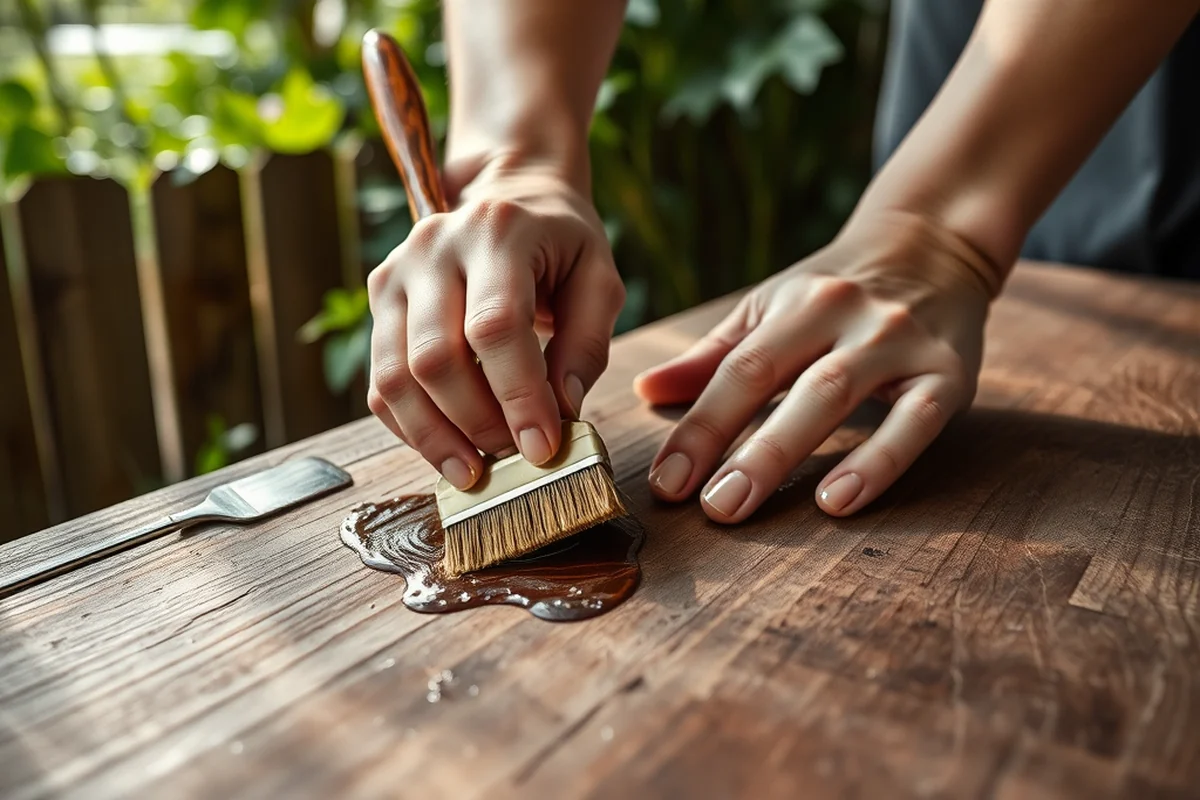
To build a basic floating garden, you’ll need a frame made from materials like wood or plastic. I used a 4x4 wooden frame with a grid of 2x2 inch holes to allow for water drainage. The frame was then covered with a layer of polystyrene to provide buoyancy.
Once the frame was in place, I added a layer of landscape fabric to prevent soil from escaping through the holes. Then, I filled the frame with a mix of compost and topsoil, making sure it was evenly distributed and not too heavy.
Finally, I planted a mix of herbs, succulents, and small flowering plants. I made sure to leave enough space between the plants for them to grow. The result was a lightweight, floating garden that looked great and was easy to maintain.
A floating garden is a simple, effective way to bring greenery to any space.
Related: Diy floating desk in nook
Selecting the Right Plants for Your Floating Garden
When selecting plants for your floating garden, it's important to choose species that are well-suited for container gardening. I found that herbs like thyme, rosemary, and basil were particularly well-suited for floating gardens, as they required minimal water and could thrive in a variety of conditions.
Succulents like snake plants and aloe vera were also excellent choices, as they can tolerate dry conditions and don't require frequent watering. I also included some small flowering plants, such as marigolds and petunias, which added color and visual interest.
It’s important to avoid plants that require a lot of water or have deep root systems, as they may not thrive in a floating garden. Always consider the specific needs of each plant and choose ones that can adapt to the unique conditions of a floating garden.
Choose plants that thrive in containers and require minimal water. Avoid plants that need a lot of soil depth or frequent watering.
“The first time I built a floating garden, I was out in my backyard, mid-spring, watching a few plants wilt from the dry, sunbaked soil.”— DIY Floating Desk Units editors
Related: Diy floating desk and shelves
Watering and Maintenance Tips for Your Floating Garden

Watering a floating garden can be a bit tricky, as the soil is suspended above the ground. I found that using a drip irrigation system was the most effective way to water my plants. It allowed for even distribution of water without over-saturating the soil.
I also made it a habit to check the soil moisture level regularly. I found that the plants required watering every 3 to 4 days, depending on the weather and the specific needs of each plant. I used a moisture meter to ensure I wasn’t overwatering or under-watering.
In addition to watering, I made sure to prune the plants regularly and remove any dead or dying leaves. This helped promote healthy growth and kept the garden looking its best. I also used a natural fertilizer every few weeks to keep the plants strong and vibrant.
Related: Diy floating tray
Designing Your Floating Garden for Aesthetic Appeal
When designing your floating garden, it's important to think about color, texture, and plant placement. I used a mix of green and flowering plants to create a visually appealing contrast. I also used different types of plants to add texture and depth to the garden.
I found that using a grid pattern in the frame helped with organizing the plants and making the garden look more structured. I also used a few decorative elements, like small rocks and pebbles, to add visual interest.
The key to a beautiful floating garden is balance. You want to create a space that is both functional and visually pleasing. I made sure to leave some empty spaces between the plants to allow for air circulation and to prevent overcrowding.
Related: Diy floating bench
Making Your Floating Garden More Durable and Long-Lasting
Using weather-resistant materials is essential for making your floating garden more durable. I used a layer of waterproof plastic sheeting to protect the frame from rain and moisture. This helped prevent rot and ensured that the frame stayed intact over time.
I also added a layer of mulch on top of the soil to help retain moisture and protect the soil from erosion. I used a mix of wood chips and small stones, which helped keep the soil in place and added a natural look to the garden.
Another tip I found useful was to use a frame made of treated wood or a composite material. These materials are more resistant to water and rot, making them ideal for long-term use in a floating garden.
Durability is key when building a floating garden that will last through the seasons.
Related: Diy floating ghost
Customizing Your Floating Garden for Your Space and Style
Customizing your floating garden can be a fun and creative process. I used different colors of wood and added decorative elements like painted frames and small garden lights to make the garden more personal. I also used a mix of plants that reflected my personal style, including some unique succulents and flowering plants.
I found that using a modular design allowed me to easily rearrange the garden and add or remove plants as needed. This made it easier to maintain and kept the garden looking fresh and new.
The key to customizing your garden is to think about your space and style. Whether you prefer a minimalist look or something more vibrant and colorful, there are endless possibilities for creating a garden that reflects your personality.
💰 Budget Build
Use repurposed materials like old pallets, containers, and leftover wood to create a floating garden on a budget.
⏰ Weekend Version
Build a simple floating garden in a single day with pre-made components and a few basic tools.
✨ Upgraded Finish
Add weather-resistant materials, decorative elements, and a professional-looking frame for a more refined garden.
📏 Small-Space Adaptation
Create a compact floating garden that fits into small balconies or patios with lightweight and space-saving designs.
🔒 Rental-Safe Option
Build a floating garden that won’t damage rental properties using removable and non-invasive materials.
| The mistake | Why it happens | The fix |
|---|---|---|
| Not securing the frame properly | If the frame isn’t secured, the floating garden may tip over or shift, causing damage to the plants and the structure. | Use anchors or weights to secure the frame and ensure it’s stable and well-balanced. |
| Using only wood without buoyancy | Wood alone can become too heavy and sink, making the floating garden unstable. | Use a combination of buoyant materials like polystyrene or hollow tubes with wood for better support. |
| Overwatering the plants | Overwatering can lead to root rot and other plant health issues, especially in a floating garden where drainage is limited. | Use a moisture meter to monitor soil moisture and water only when necessary. |
| Choosing the wrong plants | Plants that require a lot of water or have deep root systems may not thrive in a floating garden. | Choose plants that are well-suited for container gardening and require minimal water. |
Diy Floating Garden
Common Questions
How long does it take to build a floating garden?
What are the best plants for a floating garden?
Can I build a floating garden on a rooftop?
How do I maintain a floating garden?
References
- Urban Agriculture as an Alternative Source of Food and Water ... (pmc.ncbi.nlm.nih.gov)
- New York State Early Learning Guidelines (ccf.ny.gov)
- Appendix A: Crop/Team Reports - Department of Energy (energy.gov)
Cite this guide
DIY Floating Desk Units (2026). Diy Floating Garden. https://deskspaceplan.com/diy-floating-garden/
Feel free to cite or share this guide.