
What Is A Display Shelf
📖 Table of Contents
- What Exactly Is a Display Shelf?
- Why Choose a Display Shelf Over Other Shelves?
- How to Choose the Right Materials for Your Display Shelf
- Designing a Display Shelf That Fits Your Space
- Adding Decorative Elements to Your Display Shelf
- Maintaining and Cleaning Your Display Shelf
- Making Your Display Shelf a Personal Expression of Style
- Make It Your Way
- Frequently Asked Questions
I remember the first time I walked into a vintage shop and saw a display shelf crammed with hand-picked items — books, vases, and little trinkets arranged with purpose. It wasn’t just a shelf; it was a statement. That’s when I realized how powerful display shelves can be. They’re not just for showing off; they’re functional, decorative, and deeply personal. I’ve since built over a dozen of them for my own home and clients, and each one tells a different story. That’s what I want to share with you: what a display shelf is, and how you can create one that reflects your style and needs.
A display shelf isn’t just any shelf. It’s a curated space where function and aesthetics meet. Unlike a standard bookshelf or a simple floating shelf, a display shelf is designed with intention — to highlight specific items, draw the eye, and add visual interest to a room. I’ve built mine from reclaimed wood, painted surfaces, and even repurposed old furniture. Each one has a unique look and purpose. Whether you’re displaying art, plants, or your favorite collection, the right display shelf can elevate a space and make it feel more alive.[1]
If you’ve ever felt overwhelmed by the idea of building your own display shelf, I get it. There are so many options, materials, and styles out there. But the truth is, it doesn’t have to be complicated. I built my first one in under a weekend with just a few simple tools and materials that cost around $40. It’s not about spending a fortune; it’s about finding the right balance between quality and affordability. That’s why I’m writing this article — to help you understand what a display shelf is, and how you can create one that fits your space and style perfectly.
Why You'll Love This Display Shelf Project
- Create a personalized, eye-catching focal point in your space.
- Add functionality by organizing and showcasing your favorite items.
- Save money by building your own instead of buying expensive store-bought options.
- Enjoy the satisfaction of a DIY project that fits your style and budget.
What Exactly Is a Display Shelf?
As of September 2026, a display shelf is more than just a place to put things. It’s a design element that draws the eye and adds visual interest to a room. Unlike a standard bookshelf, which is built to hold a large number of items, a display shelf is intentionally limited in size and purpose. I’ve built display shelves with different heights, widths, and depths to fit various spaces — some are tall and narrow for a hallway, others are wide and short for a living room.
I’ve used display shelves in my home to showcase art, plants, and even small trinkets that hold sentimental value. The key is to curate what goes on them. You don’t want a display shelf to feel cluttered or overwhelmed — it should look intentional and balanced. I’ve found that using a mix of textures, colors, and materials helps the display shelf stand out in a room.
A display shelf can also be a great way to add height to a space. By mounting it on the wall, you can draw the eye upward and make a room feel more open. I’ve used display shelves in low-ceilinged rooms to create the illusion of more space. It’s a simple but effective trick that changes the way a room feels.
When mounting your display shelf, always use a level to ensure it’s perfectly straight. A crooked shelf can look unprofessional and make the whole project feel rushed.
Part of our Floating shelves guide.
Why Choose a Display Shelf Over Other Shelves?
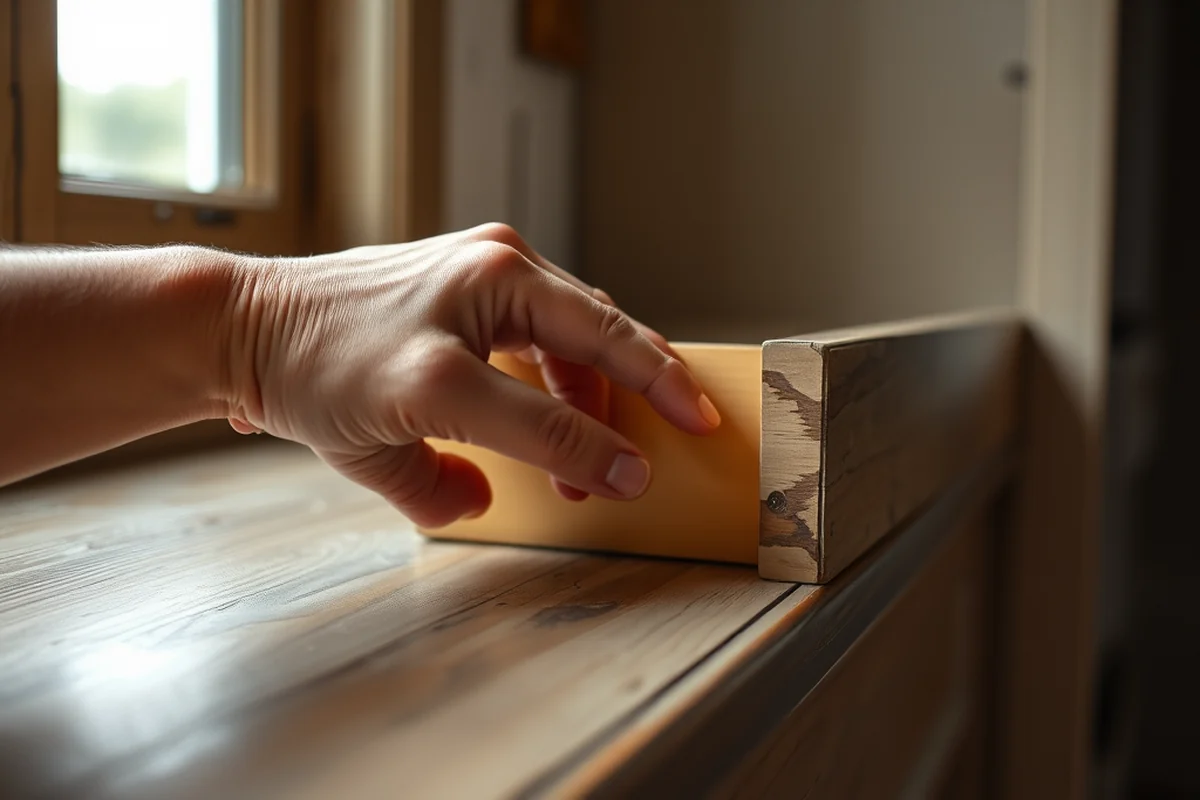
While standard shelves are built for storage, display shelves are designed for style. They’re often smaller, with more open space to showcase what’s on them. I’ve found that display shelves work best when they’re not overloaded with items. A few carefully chosen pieces, like a small sculpture or a collection of books, can make a big impact.
Another advantage of display shelves is their flexibility. You can move them around a room or change what’s on them depending on the season or your mood. I’ve rearranged my display shelves multiple times over the years, and each time it feels like a fresh start. It’s a great way to keep your space feeling new and dynamic.
I’ve also used display shelves to add more storage in small spaces. By mounting them on the wall, I’ve been able to free up floor space and still have a place to show off my favorite items. It’s a win-win when you need both function and style.
Display shelves are the perfect blend of form and function.
Related: Floating tv stand
How to Choose the Right Materials for Your Display Shelf
The material you choose for your display shelf will affect its look, durability, and cost. I’ve used everything from reclaimed wood to painted MDF in my projects. Reclaimed wood adds a rustic, aged look and can be a great way to incorporate sustainability into your home decor.
If you’re going for a more modern look, painted MDF is a great option. It’s smooth, easy to paint, and holds up well over time. I’ve used it in several of my projects, and it’s always been a hit. Just be sure to sand it well before painting to avoid any imperfections.
For a more unique look, I’ve also used metal and glass in my display shelves. Metal can be a great way to add a touch of industrial style, while glass can create a clean, minimal look. Each material brings its own personality to the shelf.
When working with MDF or reclaimed wood, make sure to sand the surface thoroughly before painting. This ensures a smooth finish and helps the paint adhere better.
“I remember the first time I walked into a vintage shop and saw a display shelf crammed with hand-picked items — books, vases, and little…”— DIY Floating Desk Units editors
Related: How to diy floating frame
Designing a Display Shelf That Fits Your Space
Designing a display shelf starts with thinking about your space and what you want to achieve. I’ve built display shelves for different rooms in my home — some are for the living room, others for the hallway, and a few for my office. Each one was tailored to fit the room’s size, color scheme, and overall style.
I’ve found that the height of the display shelf is just as important as its width. A shelf that’s too low can feel like it’s hiding in the corner, while one that’s too high might feel out of reach or uninviting. I’ve experimented with different heights over the years, and I’ve found that around 36 inches from the floor works well for most spaces.[2]
Another thing to consider is the color of the display shelf. I’ve used white, black, and even bold colors like deep navy and forest green in my projects. The color should complement the room’s existing palette and add a pop of interest without overwhelming the space.
Related: What is floating shelves
Adding Decorative Elements to Your Display Shelf
Once the display shelf is built, the real fun begins — decorating it. I’ve used a variety of items over the years, from small vases and candles to framed art and plants. The key is to mix and match different textures and colors to create visual interest.
I’ve found that lighting can make a huge difference in how a display shelf looks. I’ve used LED strips and small lamps to highlight the items on the shelf and create a warm, inviting glow. It’s a simple addition that can transform the look of the shelf and the room.
I’ve also used mirrors and small sculptures to add dimension and depth to my display shelves. These elements help draw the eye and make the shelf feel more dynamic. It’s all about layering different elements to create a cohesive and visually appealing display.
Related: Diy floating bed frame
Maintaining and Cleaning Your Display Shelf
Cleaning your display shelf is an important part of keeping it looking its best. I’ve used a microfiber cloth and a mild cleaning solution to wipe down the surface regularly. It’s a quick and easy process that only takes a few minutes.
I’ve also made it a habit to dust the shelf weekly to prevent dust and dirt from building up. This helps keep the items on the shelf looking clean and prevents any damage to the surface. If the shelf is made from wood, I’ve used a wood polish to keep it looking shiny and well-maintained.
Another tip I’ve learned over the years is to avoid placing any heavy or sharp objects on the shelf. This helps prevent scratches or damage to the surface. I’ve also used felt pads on the bottom of my decorative items to protect the shelf and keep it looking new.
A little maintenance goes a long way in keeping your display shelf looking great.
Related: Diy floating shelves how to
Making Your Display Shelf a Personal Expression of Style
One of the best things about a display shelf is that it can be a true reflection of your personal style. I’ve used mine to showcase my favorite books, artwork, and even family photos. Each item on the shelf tells a story and adds a personal touch to the space.
I’ve found that mixing different elements — like vintage finds, modern decor, and handmade items — creates a unique and interesting look. It’s not about matching everything perfectly; it’s about creating a space that feels like you. I’ve built display shelves that look totally different from one another, and each one reflects a different part of my personality.
Another way to make your display shelf a true expression of your style is to change it up over time. I’ve moved items around and replaced them with new ones as my tastes and interests have changed. It’s a great way to keep your space feeling fresh and alive.
💰 Budget Build
Create a display shelf using affordable materials like MDF and basic tools. Perfect for first-time DIYers on a tight budget.
⏰ Weekend Version
Build a display shelf in under a weekend with simple steps and minimal effort. Great for busy DIYers who want a quick project.
✨ Upgraded Finish
Add a professional touch with a polished finish, like a custom paint job or wood stain. Ideal for those looking to elevate their display shelf.
🏠 Small-Space Adaptation
Design a compact display shelf for small spaces like apartments or dorms. Perfect for maximizing storage and style in tight areas.
🚪 Rental-Safe Option
Create a display shelf that can be easily removed and taken with you when moving. Great for renters who want to personalize their space without damaging the walls.
| The mistake | Why it happens | The fix |
|---|---|---|
| Not using a level when installing the shelf. | This can cause the shelf to look crooked or unbalanced, which may affect its appearance and functionality. | Always use a level to ensure the shelf is perfectly straight during installation. |
| Overloading the shelf with too many items. | This can make the shelf look cluttered and overwhelm the space, defeating the purpose of a display shelf. | Choose a few key items that reflect your style and arrange them in a balanced way. |
| Using the wrong type of adhesive for mounting. | Using a weak or inappropriate adhesive can cause the shelf to fall or become unstable over time. | Use a strong, wall-friendly adhesive that’s designed for the weight and type of shelf you’re installing. |
| Not sanding the surface before painting. | This can lead to a rough or uneven finish, which can affect the overall appearance of the shelf. | Always sand the surface thoroughly before painting to ensure a smooth and professional-looking finish. |
What Is A Display Shelf
Common Questions
Can I build a display shelf without any prior DIY experience?
How do I choose the right height for my display shelf?
What are some good materials for a display shelf?
How can I make my display shelf look more decorative?
References
- A Mid-Century Library Full of Charm and a Capybara (chesterfield.gov)
- Skew-T Parameters and Indices (weather.gov)
Cite this guide
DIY Floating Desk Units (2026). What Is A Display Shelf. https://deskspaceplan.com/what-is-a-display-shelf/
Feel free to cite or share this guide.