
What Is A Floating Shelf
📖 Table of Contents
The first time I installed a floating shelf in my home office, I was stunned by how much it transformed the space. Prior to that, I had a cluttered desk and nowhere to display the plants I loved. The idea of a floating shelf had been on my radar for a while, but I didn’t fully grasp how simple and impactful it could be. What struck me most was the clean, uncluttered look it brought to the room — no visible brackets or screws, just a sleek, modern piece that felt like it belonged.[1]
Floating shelves are more than just a trend; they’re a functional and aesthetic solution that can fit into almost any room. I remember the first time I walked into a friend’s living room and saw a floating shelf holding a small book collection, a few plants, and a ceramic bowl. It looked like it was part of the wall, not attached to it. That’s when I realized how much potential these shelves have. They’re not only stylish but also incredibly practical for organizing and displaying items.[2]
As I’ve built more floating shelves, I’ve come to appreciate the craftsmanship behind them. It’s not just about the end result; it’s about the process of measuring, cutting, and assembling each piece with precision. I’ve learned that a well-installed floating shelf can add both visual and functional value to a space. That’s why I want to share everything I’ve discovered about what exactly a floating shelf is and how to make one.
Why You'll Love This Floating Shelf Project
- Adds visual depth and dimension to your space
- Allows you to display decor and items without cluttering the floor
- Can be customized to match your interior design
- Simple to build and install with minimal tools
What Exactly Is A Floating Shelf?
As of September 2026, Floating shelves are a popular choice in modern interior design because of their clean, unobtrusive look. Unlike traditional shelves that are attached with visible hardware, floating shelves are mounted in a way that hides the mounting hardware behind the shelf. This creates a seamless and elegant appearance that enhances the visual appeal of any room.
To achieve this look, the shelf is typically mounted on a wall using a hidden bracket system. These brackets are installed behind the shelf, allowing the shelf to appear as if it’s floating in mid-air. This not only adds a modern touch to any space but also maximizes the use of wall space.
I’ve installed several floating shelves in my home, and each time I’ve been amazed by how much they’ve transformed the space. The ability to create a clean, minimalist look with such a simple addition is what makes floating shelves so appealing.
When installing hidden brackets, make sure to align them precisely with the shelf. Use a level to ensure the shelf is perfectly horizontal after installation.
Part of our Floating shelves guide.
The Benefits of Adding Floating Shelves
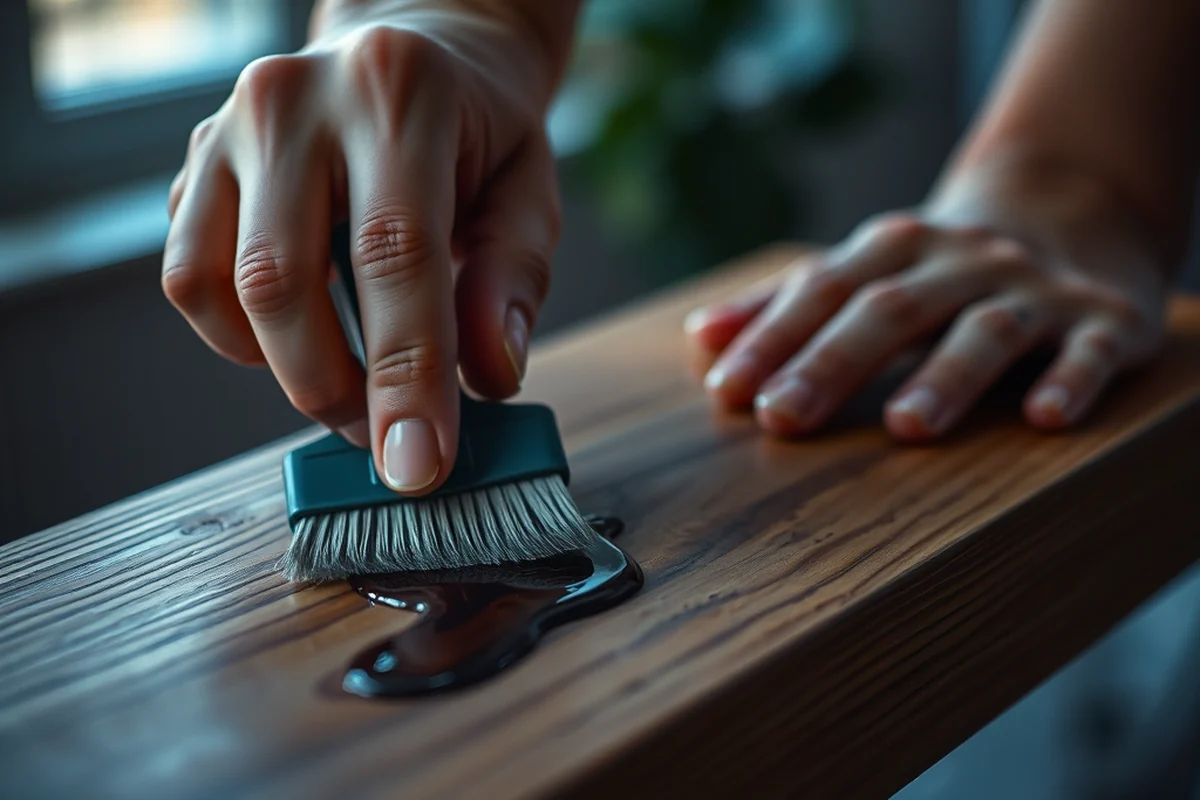
One of the biggest advantages of floating shelves is their ability to add visual interest and depth to a space. They can be used to display decorative items, books, or plants in a way that looks intentional and well-organized. I’ve found that adding a few floating shelves in my living room has instantly made the space feel more curated and inviting.
In addition to their visual appeal, floating shelves are incredibly practical. They free up floor space by providing a place to store and display items without cluttering the room. This is especially useful in smaller spaces where every inch of space counts.
Floating shelves are also a great way to add storage without sacrificing the clean lines of a modern interior. By using multiple shelves, you can create a functional and stylish storage solution that’s tailored to your needs.
Floating shelves blend style and storage like no other piece of furniture.
Related: Diy floating shelves how to
How to Choose the Right Materials
When choosing materials for your floating shelves, consider the type of wood, the finish, and the overall look you want to achieve. Solid wood is a popular choice because it’s durable and adds a warm, natural feel to any space. I’ve used pine for my floating shelves, and I’ve found it to be both affordable and easy to work with.
If you’re looking for something more modern, consider using a composite material or a metal frame. These options are lightweight and can add a sleek, contemporary look to your space. I’ve also experimented with using a painted finish on some of my shelves to match my interior design.
It’s important to choose materials that are not only aesthetically pleasing but also strong enough to support the weight of the items you plan to place on them. Always check the weight capacity of the shelf and the mounting hardware before installation.
For a modern look, consider using a matte or satin finish on your floating shelves. These finishes are less reflective and can help create a more subdued, elegant look.
“The first time I installed a floating shelf in my home office, I was stunned by how much it transformed the space.”— DIY Floating Desk Units editors
Related: Diy for floating shelves
Measuring and Preparing for Installation
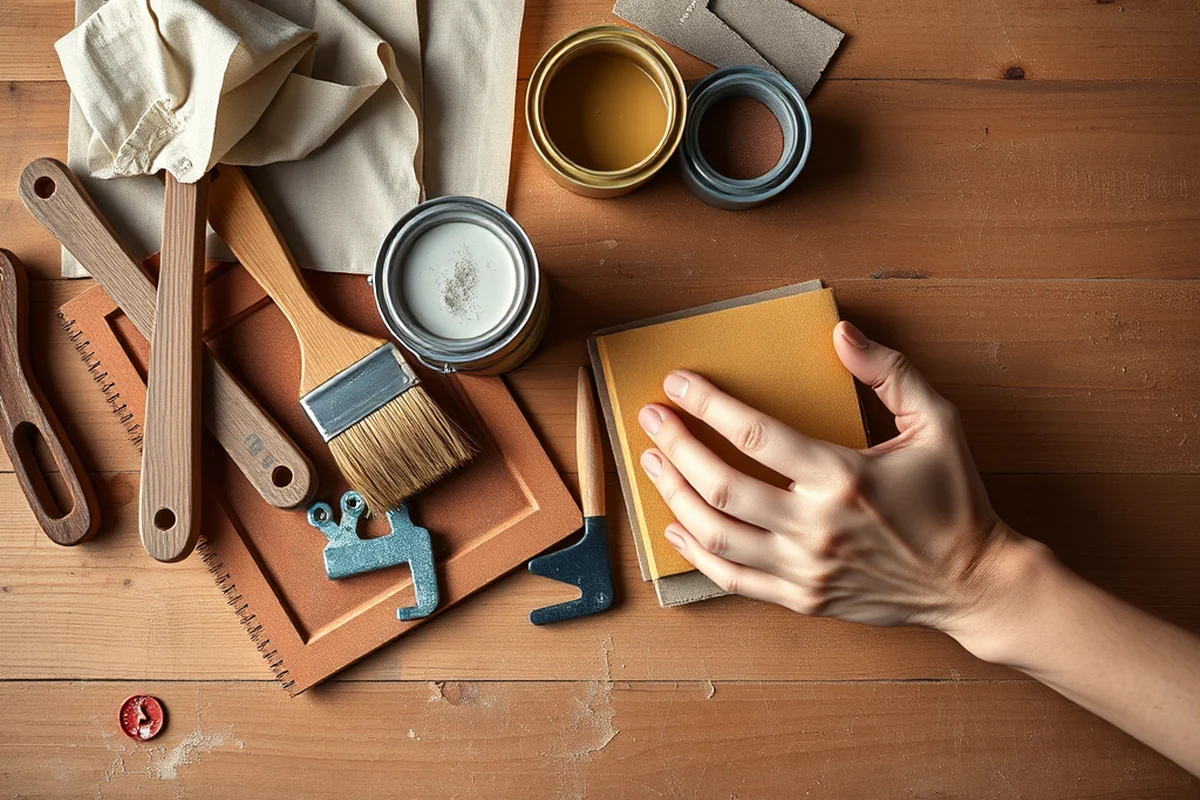
Before installing your floating shelves, take precise measurements of the area where you plan to mount them. I’ve found that using a tape measure and a level is essential to ensure that the shelves are perfectly aligned. It’s also a good idea to mark the spots where the brackets will be installed.
I’ve made the mistake of not measuring carefully in the past, and it led to some misalignment that was frustrating to fix. To avoid this, take your time and double-check all measurements before proceeding with the installation.
Once you’ve measured and marked the spots, it’s time to prepare the wall. Depending on the type of wall you’re working with, you may need to use a stud finder to locate the wall studs. This will help ensure that the brackets are securely attached and can support the weight of the shelf.
Related: Diy floating shelf plans
Mounting the Floating Shelf
Once you’ve prepared the wall and installed the brackets, it’s time to mount the shelf. I’ve found that using a spirit level during this process is essential to ensure the shelf is perfectly horizontal. This not only looks better but also prevents the shelf from sagging over time.
After placing the shelf on the brackets, I like to use a few temporary screws or clamps to hold it in place while I adjust and fine-tune the position. Once everything is aligned, I can tighten the screws and secure the shelf permanently.
It’s important to follow the manufacturer’s instructions when installing the brackets and mounting the shelf. This will help ensure that the installation is done safely and securely.
Related: Diy floating shelves cost
Finishing Touches and Maintenance
After installing your floating shelves, you can add some finishing touches like paint, stain, or decorative elements to enhance their appearance. I’ve found that using a clear coat of polyurethane can help protect the wood and keep it looking new for a long time.
It’s also important to maintain your floating shelves regularly. Dusting them with a soft cloth and cleaning them with a mild cleaner can help keep them looking pristine. I’ve noticed that over time, dust can accumulate on the shelves, so it’s a good idea to wipe them down every few weeks.
If you’re using a painted finish, you’ll want to avoid using harsh cleaners that could damage the paint. I’ve used a gentle wood cleaner on my shelves, and it’s worked well without stripping the paint or leaving any residue.
A little maintenance goes a long way in keeping your floating shelves looking fresh and clean.
Related: Diy floating frame
Customizing Your Floating Shelves
One of the best things about floating shelves is that they’re highly customizable. You can choose the size, shape, and finish to match your interior design. I’ve customized my floating shelves in different ways, from using different wood types to adding decorative hardware.
I’ve also experimented with using different lengths for the shelves to create a more dynamic look. For example, I used a combination of short and long shelves in my living room to add visual interest without making the space feel cluttered.
Another way to customize your floating shelves is by incorporating lighting. I’ve added small LED strips underneath some of my shelves to create a subtle glow that enhances the space and makes it feel more inviting.
💰 Budget Build
A cost-effective floating shelf using basic materials and tools for those on a tight budget.
⏰ Weekend Version
A quick and easy floating shelf project that can be completed in a single weekend.
✨ Upgraded Finish
A floating shelf with a premium finish, such as a lacquer or wood stain, for a more polished look.
🏠 Small-Space Adaptation
A compact floating shelf designed for small spaces, using minimal materials and maximizing functionality.
🔒 Rental-Safe Option
A floating shelf that can be installed and removed without damaging the walls, ideal for renters.
| The mistake | Why it happens | The fix |
|---|---|---|
| Not measuring the wall properly before installation. | This can lead to misalignment and an uneven look after installation. | Always use a tape measure and a level to ensure your shelves are properly aligned before mounting them. |
| Using the wrong type of brackets for the wall material. | This can cause the brackets to fail over time, leading to instability or damage to the wall. | Choose brackets that are appropriate for the type of wall you’re working with, and follow the manufacturer’s instructions. |
| Overloading the shelves with heavy items. | This can cause the shelves to sag or even break over time, especially if they’re not designed to support heavy weight. | |
| Not securing the brackets properly. | If the brackets are not secured correctly, the shelves may become loose or fall over, which can be dangerous. | Always ensure that the brackets are securely attached to the wall and that the screws are tightened properly. |
What Is A Floating Shelf
Common Questions
Can floating shelves be installed on different types of walls?
How much weight can floating shelves hold?
Can I paint my floating shelves after installation?
What tools do I need to install floating shelves?
References
Cite this guide
DIY Floating Desk Units (2026). What Is A Floating Shelf. https://deskspaceplan.com/what-is-a-floating-shelf/
Feel free to cite or share this guide.