
What Is A Floating Frame
📖 Table of Contents
- What Exactly Is a Floating Frame?
- Why Floating Frames Are a Game-Changer for Interior Design
- How to Choose the Right Materials for Your Floating Frame
- Step-by-Step Instructions for Building a Floating Frame
- Customizing Your Floating Frame to Match Your Style
- The Impact of a Floating Frame on Your Home's Aesthetic
- How to Maintain and Care for Your Floating Frame
- Make It Your Way
- Frequently Asked Questions
The first time I mounted a floating frame on my living room wall, I felt like I'd unlocked a secret to interior design. It wasn't just about hanging a picture—it was about creating a visual anchor that felt effortless and modern. A floating frame, as I learned, is more than just a decorative element. It’s a structural and aesthetic solution that can transform any space, from a minimalist home office to a cozy living room. What struck me most was how it made the artwork look like it was suspended in midair, as if it were floating without any visible support.
I remember the confusion that came with my first attempt. I had no idea that a floating frame required a specific combination of materials, tools, and techniques. It turned out that the frame’s ability to create a seamless look came from careful planning and precise execution. The process of building my first floating frame took me about a weekend, and I spent around $40 on materials, which was well worth the effort. I also learned that a floating frame isn’t just for art—it can be used to display books, plants, or even decorative objects in a way that feels intentional and elegant.
Since that first project, I've used floating frames in multiple rooms, and each time, the results have been more satisfying than the last. What I love most about floating frames is their versatility. They can be tailored to fit any style, from rustic to industrial, and they’re perfect for those who want to avoid the clutter of traditional picture frames. Whether you're a DIY novice or a seasoned woodworker, a floating frame is a project that can be adapted to your skill level and budget. It’s a small investment that delivers a big impact.
Why You'll Love This Floating Frame Project
- Adds a clean, modern aesthetic to your walls without the need for visible hardware
- Creates the illusion of art that's suspended in midair, making your space feel larger and more elegant
- Can be customized to match your home’s decor and personal style
- A relatively simple DIY project that can be completed in just a weekend
What Exactly Is a Floating Frame?
As of September 2026, a floating frame is not just a frame—it’s a complete system. It consists of a backing board, a front panel, and a mounting mechanism that hides the screws and brackets used to secure the artwork. The illusion of floating is achieved by ensuring that the backing board is slightly recessed behind the front panel, leaving a gap that makes the artwork appear to be hovering.
I first encountered the concept while searching for a way to display my artwork without the distraction of visible nails or hooks. I found that a floating frame could provide a sleek, modern look that blended seamlessly with my home decor. The result was a piece that looked professional and elegant, without any visible hardware.
One of the most appealing aspects of a floating frame is its ability to enhance the appearance of any artwork. It not only provides a clean, minimalist look but also protects the artwork from dust and damage. For those who are new to DIY, the process of building a floating frame is surprisingly straightforward and can be completed with minimal tools and materials.
Select a backing board that is thin enough to allow for the illusion of floating but sturdy enough to hold the weight of your artwork. I recommend using a 1/4-inch thick MDF board for most projects.
Part of our Floating shelves guide.
Why Floating Frames Are a Game-Changer for Interior Design

One of the biggest benefits of a floating frame is how it transforms the way your artwork looks in your home. Instead of hanging on a traditional picture frame, the artwork appears to be floating, which can make your space feel larger and more open. This is especially useful in smaller rooms where every inch counts.
I’ve found that using a floating frame can elevate the overall look of a room and make it feel more curated. It’s a great way to showcase your favorite pieces of art or photography without the distraction of visible hardware. The result is a more cohesive and visually appealing space.
Another benefit of floating frames is their versatility. They can be used in any room of the house, from the living room to the bathroom, and they come in a wide variety of sizes and styles. Whether you're going for a modern, minimalist look or something more rustic, there's a floating frame that can fit your aesthetic.
Floating frames make your space feel more elegant and sophisticated, without the need for visible hardware.
Related: Diy floating frame with glass
How to Choose the Right Materials for Your Floating Frame
When building a floating frame, the materials you choose can make a big difference in the final result. I've found that using a combination of wood, MDF, and metal components works best for most projects. The wood should be lightweight but strong enough to support the weight of your artwork.
I recommend using a high-quality MDF board for the backing of the frame, as it’s smooth and easy to work with. For the front panel, a thin piece of wood or MDF can be painted or finished to match your decor. The mounting hardware is also important—make sure to choose screws and brackets that are strong and durable.[1]
In my experience, the key to creating a floating frame that looks seamless is to ensure that all the components are of high quality and well-finished. This not only enhances the visual appeal but also ensures that the frame is stable and secure.
Use strong, durable mounting hardware to ensure that your floating frame is secure. I recommend using 2.5-inch screws and brackets that are rated for the weight of your artwork.
“The first time I mounted a floating frame on my living room wall, I felt like I'd unlocked a secret to interior design.”— DIY Floating Desk Units editors
Related: Diy floating shelves
Step-by-Step Instructions for Building a Floating Frame
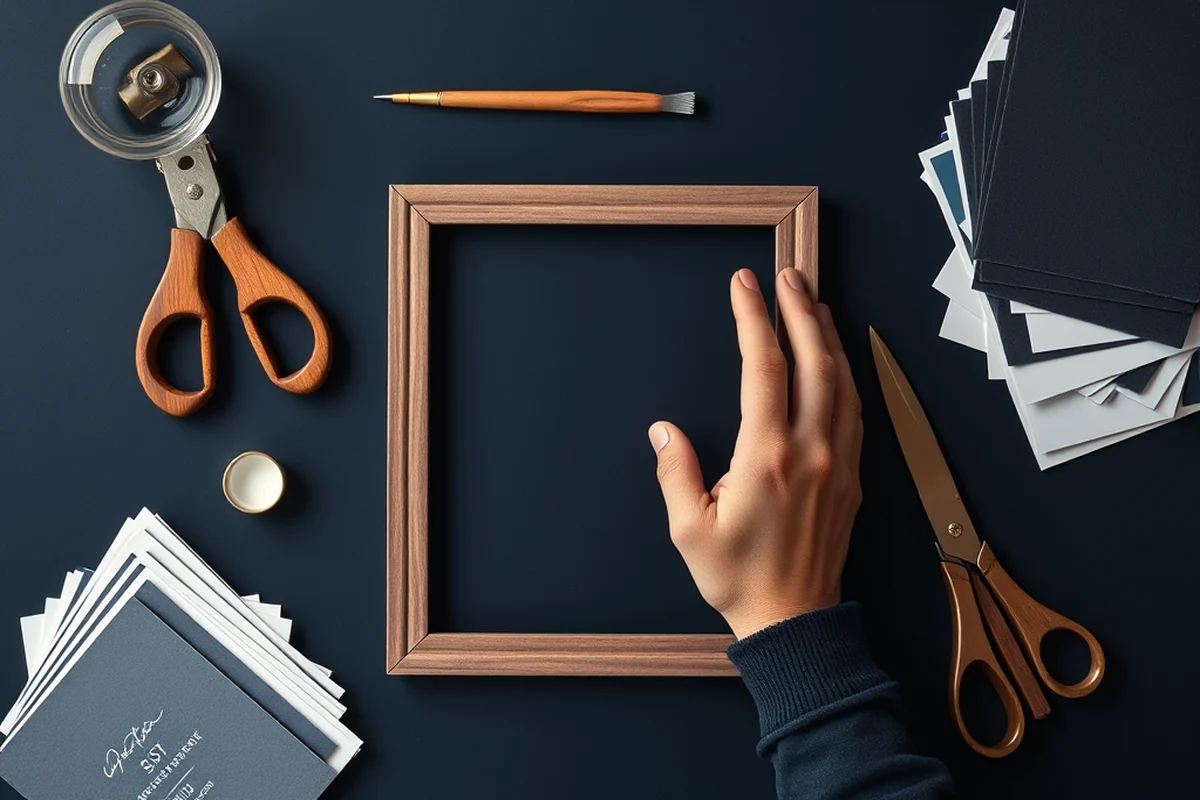
To build a floating frame, start by assembling the backing board. I used a 1/4-inch thick MDF board for my project, which was cut to the desired size. Next, I attached the front panel using a strong adhesive and screws to ensure that it was secure.
Once the backing board and front panel were attached, I mounted the frame to the wall using a combination of brackets and screws. I made sure that the frame was level and that the artwork was securely held in place. The process was straightforward and took me about a weekend to complete.
One of the most important steps in building a floating frame is ensuring that the frame is level and that the artwork is properly secured. I found that using a level during the mounting process helped me achieve a perfect result. Overall, the process was simple and well worth the effort.
Related: Diy floating shelf ideas
Customizing Your Floating Frame to Match Your Style
One of the best things about floating frames is that they can be customized to match your home decor. Whether you want a modern, minimalist look or something more rustic, there are endless possibilities for personalization.
I chose to paint my floating frame in a soft gray color to match the overall aesthetic of my living room. This not only added a touch of elegance but also helped the frame blend seamlessly with the rest of the decor. I also added a small border to the front panel to create a more defined look.
If you're looking for a more unique look, you can consider using different materials, such as wood or metal, to create a frame that stands out. The key is to choose a finish that complements your home decor and personal style.
Related: Diy floating entertainment shelf
The Impact of a Floating Frame on Your Home's Aesthetic
The impact of a floating frame on your home’s aesthetic can be dramatic. It adds a sense of depth and dimension to your walls, making them feel more dynamic and visually interesting. It also helps to draw the eye to your artwork, making it the focal point of the room.
In my experience, a floating frame can transform the way your artwork looks in your home. Instead of being framed in a traditional way, the artwork appears to be floating, which gives it a more refined and elegant appearance. This is especially useful in smaller rooms where every detail matters.
Another benefit of a floating frame is that it can help to create a more cohesive look in your home. By using a consistent color or material for all your floating frames, you can create a more unified and visually appealing space.
A floating frame adds depth and dimension to your walls, making them feel more dynamic and visually interesting.
Related: Diy floating glass picture frame
How to Maintain and Care for Your Floating Frame
Once your floating frame is mounted, it's important to maintain it regularly to ensure that it continues to look its best. I recommend wiping the frame with a soft, dry cloth to remove any dust or debris that may have accumulated over time.[2]
If your frame has a painted finish, it’s important to avoid using harsh chemicals or abrasive cleaners, as these can damage the paint. Instead, use a mild soap and water solution to clean the frame. This will help preserve the finish and keep it looking new for years to come.
One of the most important things to keep in mind is to avoid placing any heavy objects on the frame. This can cause the frame to become unstable or even collapse. By following these simple maintenance tips, you can ensure that your floating frame continues to look its best for years to come.
💰 Budget Build
Create a floating frame using affordable materials like MDF and basic hardware for under $40.
⏱️ Weekend Version
Complete a floating frame in just one weekend using pre-cut materials and simple tools.
✨ Upgraded Finish
Add a polished, professional look with custom paint or wood finishes for a more refined appearance.
🏠 Small-Space Adaptation
Design a compact floating frame that’s perfect for small spaces or apartments with limited wall space.
🔒 Rental-Safe Option
Create a floating frame that can be easily removed and reinstalled without damaging the walls, ideal for renters.
| The mistake | Why it happens | The fix |
|---|---|---|
| Using the wrong type of backing board | If you use a backing board that is too thick or not sturdy enough, it can affect the illusion of the floating frame and potentially damage the artwork. | Choose a thin, high-quality MDF board that is strong enough to support the weight of the artwork and provide a clean, seamless look. |
| Mounting the frame without using a level | Not using a level can result in a crooked or uneven frame, which can make the artwork look unbalanced and unprofessional. | Always use a level during the mounting process to ensure that the frame is perfectly aligned and secure. |
| Using weak or low-quality mounting hardware | Weak hardware can cause the frame to become unstable or even collapse over time, especially if it’s holding a heavy piece of artwork. | Use strong, durable mounting hardware, such as 2.5-inch screws and brackets that are rated for the weight of your artwork. |
| Neglecting to maintain the frame | Failing to clean and maintain the frame can lead to the accumulation of dust and debris, which can damage the finish and reduce its visual appeal. | Wipe the frame regularly with a soft, dry cloth and avoid using harsh chemicals or abrasive cleaners on painted finishes. |
What Is A Floating Frame
Common Questions
Can I use a floating frame for mirrors or other decorative items besides artwork?
How long does it take to build a floating frame?
What tools do I need to build a floating frame?
Can I build a floating frame if I’m a beginner?
References
- Chapter IV. Positive Barrier Screens - Bureau of Reclamation (usbr.gov)
- Floating Wind Turbines (bsee.gov)
Cite this guide
DIY Floating Desk Units (2026). What Is A Floating Frame. https://deskspaceplan.com/what-is-a-floating-frame/
Feel free to cite or share this guide.