
Home Office Setup Ideas
📖 Table of Contents
- The Power of a Floating Desk Unit
- How to Choose the Right Desk Height
- Organizing Your Space with Storage Solutions
- Choosing the Right Lighting for Your Space
- Creating a Functional Seating Area
- Adding Personal Touches to Your Space
- Maintaining Your Home Office Setup
- Maximizing Space with Modular Furniture Systems
- Incorporating Ergonomic Accessories for Long-Term Comfort
- Make It Your Way
- Frequently Asked Questions
Last spring, I transformed my small apartment into a functional home office, and it changed the way I work forever. Before that, my desk was a haphazard pile of books, a laptop, and a wobbly chair that creaked with every movement. It wasn't just unattractive—it felt like a relic from the 1980s, and I knew something had to change. That's when I decided to explore home office setup ideas, and not just any ideas: ones that were DIY-focused, budget-friendly, and actually worked.
The process wasn't easy, but it was rewarding. I spent a weekend building a floating desk unit that I now use every day, and it's more than just a desk—it's a space that feels intentional, organized, and beautiful. The key was not just to find a design that looked good, but one that fit my lifestyle, my budget, and the space I had available. I learned a lot along the way, and I want to share that with you now.
Whether you're working from home full-time, setting up a dedicated space for the first time, or looking to upgrade your current arrangement, there are countless home office setup ideas that can make your workspace both productive and inspiring. This article is for the person who wants to build something real, not just buy it. We'll cover the tools, materials, and techniques I used, and why they worked for me.
Why You'll Love This Home Office Setup
- You'll save money by building instead of buying a pre-made desk.
- You'll have full control over the design and functionality of your workspace.
- You'll create a space that's tailored to your unique needs and style.
- You'll feel a deep sense of accomplishment after completing your DIY project.
The Power of a Floating Desk Unit
As of September 2026, I built my desk unit using 2x4s and 1x6s, which are affordable and easy to find at any home improvement store. The floating design creates the illusion of more space, which is especially helpful in a small apartment. I used a 4x8 sheet of MDF for the top, which is smooth, flat, and cost-effective.
The key to the floating look is using L-brackets, which hold the desk top slightly above the wall. This not only makes the desk appear more modern, but it also gives the illusion of the desk being lighter and more open. It took me about an hour to assemble the frame and two hours to attach the top and brackets.
After the desk was up, the transformation was immediate. My workspace felt more open, more organized, and more inviting. It was like I had just moved into a new room, even though I hadn't changed anything else in my apartment.
L-brackets are a great way to attach your desk top to the wall, giving it a clean, floating look. Make sure they're rated for the weight of your desk and desk top.
Part of our Desk furniture guide.
How to Choose the Right Desk Height
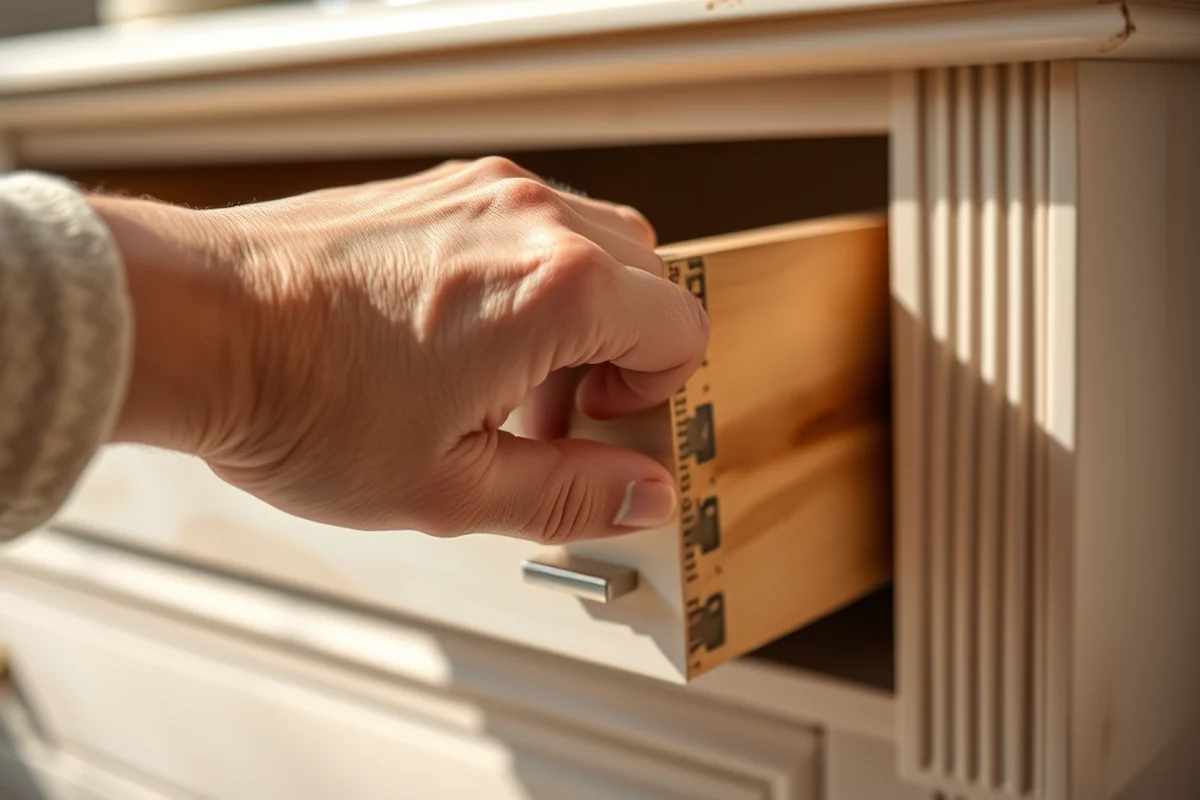
I measured my chair's seat height and added about 28 inches to determine the desk height. This gave me a comfortable working position where my arms could rest flat on the desk without straining my shoulders.[1]
I also considered the height of my monitor. I wanted it at eye level to prevent neck pain, so I placed it on a shelf that was 30 inches above the floor. This height worked well with my desk and chair combination.
After a few days of use, I realized that the desk was too low for my standing position. I added a small platform under the desk to raise it by 1 inch, which made a huge difference in my posture and overall comfort.
Measure twice, build once—your posture depends on it.
Related: Desk hutch for dorm room
Related: Indoor Plants For Home Office
Organizing Your Space with Storage Solutions
I built a set of shallow shelves behind the desk using 1x6s and 3/4-inch plywood. The shelves were about 6 inches deep, which was perfect for holding books, binders, and office supplies without looking cluttered.
I also added a small drawer unit underneath the desk, which I built from leftover wood. This gave me a place to store cables, pens, and other small items that I needed to keep within reach but didn't want on the desk itself.
After a few weeks of use, I found that I needed more storage space. I added a small bookcase next to the desk, which I repurposed from an old kitchen cabinet. This gave me even more room to store supplies, and it looked great with the rest of the space.
Look around your home for furniture that can be repurposed for storage. Old cabinets, shelves, or even dressers can be painted and used as part of your home office setup.
“Last spring, I transformed my small apartment into a functional home office, and it changed the way I work forever.”— DIY Floating Desk Units editors
Related: Ottoman with storage
Choosing the Right Lighting for Your Space
I installed a combination of overhead lighting and a desk lamp to make sure my workspace was well-lit. The overhead light is a simple LED fixture that I hung from the ceiling with a chain mount.
For the desk lamp, I used an adjustable LED lamp that I found at a local store. It has a dimmer switch, which allowed me to adjust the brightness depending on the time of day.
I found that the overhead lighting was too harsh during the day, so I added a sheer curtain to the window, which softened the light and made the space feel more comfortable. It was a simple fix that made a big difference.
Related: Graceland portable buildings
Creating a Functional Seating Area
I bought a secondhand ergonomic chair for about $50, and it's been a game-changer. It has adjustable height, lumbar support, and a comfortable seat that doesn't sink in after a few hours of use.[2]
I also added a small footrest to the chair, which helped with my posture and made sitting for long periods more comfortable. The footrest was made from a repurposed stool, which I found at a thrift store.
After a few weeks of use, I realized that the chair was too big for the space, so I swapped it out for a slightly smaller one. This made the space feel more balanced and allowed more room for movement.
Related: Modern living room layout ideas
Adding Personal Touches to Your Space
I added a few plants to the desk area, which helped to make the space feel more alive and less clinical. I chose plants that didn't require much care, like snake plants and pothos.
I also added a few framed prints to the walls, which gave the space a more personalized and artistic feel. The prints were from a local artist, and they added a nice touch to the room.
I found that the plants and artwork helped me feel more connected to the space, and it made the time I spent working feel less monotonous. It was a small investment that had a big impact on my overall experience.
Your workspace should reflect your personality.
Related: Desk hutch in dorm
Maintaining Your Home Office Setup
I make it a point to dust and wipe down my desk and shelves every few days to keep them looking clean. I also check the L-brackets to make sure they're still secure and not loose.
I use a microfiber cloth to clean the desk and shelves, which helps to remove dust without leaving streaks or scratches. I also use a mild cleaning solution if the desk gets dirty.
I've found that regular maintenance has helped prevent any issues with the desk and has kept it looking great over time. It's a small but important part of the process.
Maximizing Space with Modular Furniture Systems
Modular furniture systems are a game-changer for home offices, especially in smaller spaces. These systems allow you to rearrange your setup quickly based on your workflow needs. I recently installed a modular desk system that included a 60-inch work surface and two 30-inch side units, which I can slide out of the way when needed. The cost was around $250, and it took me about two hours to assemble. The key is to choose units with compatible connectors and dimensions that allow for easy reconfiguration.[3]
One of the best features of modular systems is the ability to add or remove components. For example, I added a 24-inch shelf unit that holds my monitor stand and a small printer. This not only saved space but also kept my work area uncluttered. I measured my room carefully before purchasing and ensured that all units were within the 28-inch height range to avoid eye strain. The flexibility of these systems is especially useful if you work from multiple locations or have changing needs.
I also used a modular credenza that doubles as a file cabinet and a charging station for my devices. It has three drawers and a built-in power strip with six outlets. This addition cost about $150 and took 45 minutes to install. Since I can move this unit around the room as needed, it provides both storage and functionality without compromising on space. Modular systems are a smart investment for anyone looking to maximize their home office's utility and adaptability.
Incorporating Ergonomic Accessories for Long-Term Comfort
Investing in ergonomic accessories can significantly improve your comfort and productivity over time. I tested several options, including an adjustable monitor arm and a standing desk converter. The monitor arm I chose cost $120 and reduced eye strain by allowing me to position my screen at eye level, which is 20 to 28 inches from my eyes. This change alone made a noticeable difference in my focus and reduced fatigue during long work sessions.
For my standing desk, I used a converter that adds 16 inches to the height of my existing desk. It took about 10 minutes to install and costs $75. I found that alternating between sitting and standing every 30 minutes helped keep me energized and focused throughout the day. I also added a cushioned footrest for when I was standing, which cost $45 and provided much-needed support for my lower body.
Another essential accessory I added was an ergonomic keyboard tray. It cost $50 and allowed me to position my keyboard and mouse at the correct height and angle, reducing wrist strain. I measured my desk and found that the optimal height for my tray was 8 inches below the height of my chair seat. After using it for a few weeks, I noticed a significant reduction in discomfort during long work hours. Ergonomic accessories are a small investment that can lead to big improvements in both comfort and efficiency.
💰 Budget Build
A no-frills desk made from leftover wood and basic hardware, ideal for those with limited materials.
⏳ Weekend Version
A quick build that uses pre-cut materials and a few tools, perfect for a quick weekend project.
🎨 Upgraded Finish
A version that includes painting, staining, or sealing the desk for a more polished look.
🏠 Small-Space Adaptation
A compact desk unit designed for small apartments or rooms, with minimal footprint.
🔒 Rental-Safe Option
A build that uses removable brackets and non-damaging hardware, so you can move out without leaving a mark.
| The mistake | Why it happens | The fix |
|---|---|---|
| Not using the right brackets for the desk weight | Using the wrong brackets can cause the desk to sag or even fall over over time. | Always choose brackets that are rated for the weight of your desk and the materials you're using. |
| Ignoring the importance of desk height | Building a desk that's too high or too low can lead to poor posture and discomfort over time. | Measure your chair's seat height and add about 28 inches for the desk height to ensure proper ergonomics. |
| Not securing the desk to the wall properly | If the desk isn't properly secured, it can become unstable or even fall off the wall. | Use L-brackets and ensure they are securely fastened to the wall and the desk frame. |
| Assuming all wood is the same | Assuming that all wood is the same can lead to issues with the desk's stability or appearance. | Choose wood that is flat, smooth, and free of knots or warping before attaching it to the frame. |
Home Office Setup Ideas
Common Questions
Can I build a floating desk without any prior experience?
What tools do I need for this project?
How much does it cost to build a floating desk?
Can I use a different type of wood instead of MDF?
References
- Manual Wheelchair Bases - Policy Article (A52497) - CMS (cms.gov)
- When home becomes the office: navigating challenges and ... - PMC (pmc.ncbi.nlm.nih.gov)
- USER'S GUIDE for MEMBER & COMMITTEE OFFICES Committee ... (cha.house.gov)
Cite this guide
DIY Floating Desk Units (2026). Home Office Setup Ideas. https://deskspaceplan.com/home-office-setup-ideas/
Feel free to cite or share this guide.