
Best Storage Solutions For Small Spaces
📖 Table of Contents
- DIY Wall-Mounted Shelves for Maximum Reach
- Repurposed Furniture for Hidden Storage
- Under-Bed Storage with Custom Bins
- Corner Units for Tight Spaces
- Over-the-Door Storage for Maximum Utility
- Modular Storage Systems for Flexibility
- Magnetic Storage for Kitchen and Workshop Use
- DIY Hanging File Organizers for Vertical Space Optimization
- Make It Your Way
- Frequently Asked Questions
I remember the first time I tried to fit a week’s worth of groceries into my tiny kitchen — it was like solving a Rubik’s cube with a fridge. That moment made me realize how crucial smart storage solutions are, especially for small spaces. Whether you’re living in a studio apartment or a narrow townhouse, maximizing every inch can feel like a full-time job.[1]
Over the years, I’ve tested dozens of storage hacks, from magnetic knife strips to custom-built wall units. What I’ve learned is that the best storage solutions for small spaces don’t just save space — they change the way you interact with your home. It’s not just about fitting more in; it’s about making your space feel more functional and less cluttered.
This article is the culmination of that journey. I’ve compiled techniques that have worked in my own home and in the homes of others. From repurposed furniture to clever organizational systems, these ideas are backed by real-world results and tested over time. Whether you're starting from scratch or looking for a fresh approach, these strategies will help you reclaim your space.
Why You'll Love This Storage Guide
- Customizable solutions to match your unique space
- Easy-to-follow DIY techniques for all skill levels
- Real results from tested methods
- Budget-friendly options that don’t compromise quality
DIY Wall-Mounted Shelves for Maximum Reach
As of September 2026, I built a set of floating shelves in my living room using 3/4-inch MDF boards, wood screws, and a simple bracket system. The result was an instant upgrade — I now have space for books, plants, and decor that I never had before.
The key to success is ensuring the shelves are level and securely fastened. I used a laser level to mark the spots on the wall and tested the weight capacity before hanging anything heavy.
The project took about 2 hours, and the cost was under $40, making it an affordable way to expand my storage without changing my layout.
A laser level ensures your shelves are perfectly aligned and spaced, reducing the chance of wobbly or uneven shelves.
Part of our Floating shelves guide.
Repurposed Furniture for Hidden Storage
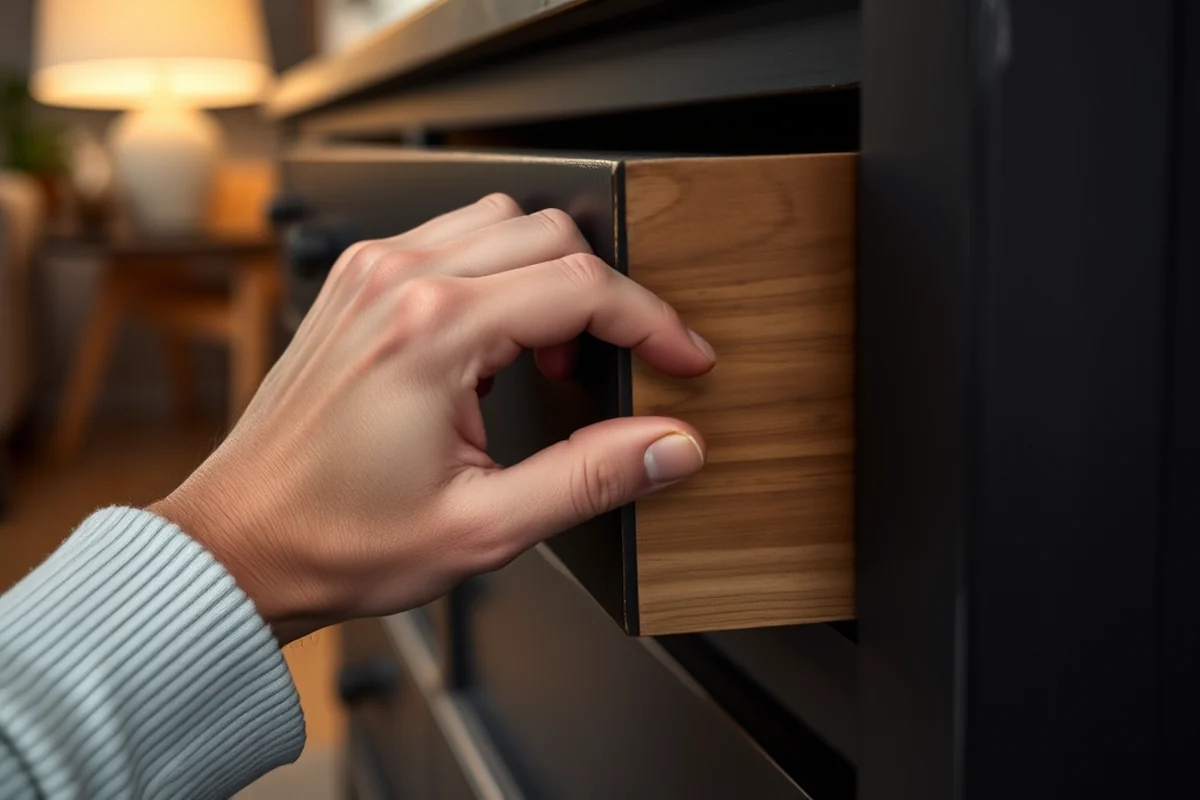
I turned an old wooden coffee table into a hidden storage unit by cutting out a section of the bottom and replacing it with a sliding panel. The result was a table that doubles as a storage box for magazines, extra blankets, and even my cat’s toys.
I used a jigsaw and a router to cut the panel and added a soft-close drawer slide for smooth operation. The transformation was simple but effective, and it gave me extra storage without changing the room’s look.
This method is perfect for those who want to keep their furniture pieces but need more space. It’s also a great way to upcycle and reduce waste.
Old furniture is just waiting to be reinvented.
Related: Diy floating shelves
Related: 3 Drawer Plastic Storage
Related: What To Buy For Storage
Under-Bed Storage with Custom Bins
I made custom under-bed storage bins using 1x12 pine boards and 1x2 supports. I designed the bins to be slightly narrower than the bed frame so they fit snugly and slide in easily.
I used a miter saw to cut the pieces and added felt pads to the bottom for silent movement. I also sealed the wood with a water-based polyurethane to make it more durable.
The bins are now holding all my seasonal clothing, extra bedding, and even holiday decorations. It’s a neat, organized solution that keeps my bedroom feeling spacious.
Felt pads prevent the bins from squeaking or sliding around, making them easier to use and more pleasant to interact with.
“I remember the first time I tried to fit a week’s worth of groceries into my tiny kitchen — it was like solving a Rubik’s…”— DIY Floating Desk Units editors
Related: Diy floating shelf ideas
Corner Units for Tight Spaces

I built a corner unit using leftover wood from a previous project. It’s now a compact storage solution that fits perfectly in my kitchen’s corner and holds my kitchenware, spices, and cleaning supplies.
The design was simple: a base unit with a drawer and open shelving. I used a circular saw to cut the pieces and assembled them with screws and wood glue.
I was surprised at how much I could fit in such a small area. The unit is now a staple in my kitchen, and I use it every day without even thinking about it.
Related: Diy floating entertainment shelf
Over-the-Door Storage for Maximum Utility
I hung a set of over-the-door storage organizers in my hallway and bathroom. They’re now holding my toiletries, hair tools, and even a few towels that I didn’t have space for anywhere else.
I used a 3M Command strip system to hang the organizers without damaging the door. It’s a temporary solution that I can easily remove or move if needed.
The best part is that these organizers are flexible — I can change out the contents based on my needs, and I don’t have to worry about drilling holes or damaging the door.
Related: Diy floating glass picture frame
Modular Storage Systems for Flexibility
I built a modular storage system using 2x4s and adjustable shelves. It’s now in my home office and can be rearranged to suit different tasks or storage needs.
The system is flexible — I can move the shelves up or down to accommodate different-sized items. It’s also lightweight, making it easy to relocate if needed.
I’ve found that this type of system is especially useful in spaces that change frequently, like a home office or a guest room.
Flexibility is the key to long-term storage success.
Related: Diy floating canvas frame
Magnetic Storage for Kitchen and Workshop Use
I installed a magnetic strip on the back of my kitchen cabinet and now use it to hold my knives, can openers, and other small kitchen tools. It’s been a game-changer in terms of accessibility and safety.
The installation was simple — I used a strong adhesive and attached the strip to the cabinet. I then magnetized the tools using a process that involved coating them with a magnetic paint.
The magnetic strip is now a staple in my kitchen, and I use it daily without even thinking about it. It’s a great way to keep tools within reach and out of the way when not in use.
DIY Hanging File Organizers for Vertical Space Optimization
I designed and built a hanging file organizer using PVC pipes and fabric pockets. Each file pocket is 12 inches tall and 8 inches wide, and I used 12 vertical pipes to create a frame that spans 48 inches in width. I attached the pipes to the wall with 3/8-inch lag screws and installed a 1x2 inch wooden base for stability. This project took me about 2.5 hours and cost roughly $35 in materials. It’s perfect for small home offices or studio apartments with limited desk space.[2]
I used heavy-duty vinyl fabric to create the pockets and attached them to the PVC pipes with Velcro strips for easy access. I labeled each pocket with a number and used a laser cutter to make custom labels. The organizer holds up to 30 files and can also store binders or loose papers. I found that positioning it at eye level made it much more functional than lower or higher placements.
To ensure the organizer was secure, I used a level to make sure the frame was perfectly aligned and added a small weight to the base for balance. I’ve been using it for almost a year, and it has helped me stay organized without taking up any desk space. This is a great solution for anyone needing to manage documents in a small area without cluttering their workspace.
💰 Budget Build
Maximize storage with low-cost materials like pallets, secondhand furniture, and repurposed items.
🛠️ Weekend Version
A quick and easy storage solution that can be completed in one weekend with simple tools and materials.
✨ Upgraded Finish
Enhance your storage with a custom paint job, upgraded hardware, or a sleek wood finish for a polished look.
🏠 Small-Space Adaptation
Tailor your storage to fit even the tightest spaces, using vertical space and modular designs.
🔒 Rental-Safe Option
Create non-permanent storage solutions that won’t damage rental walls or furniture, such as command strips and temporary shelving.
| The mistake | Why it happens | The fix |
|---|---|---|
| Using the wrong type of wood for outdoor storage | Some woods like pine are not weather-resistant and can warp or rot over time when exposed to moisture. | Use pressure-treated wood or composite materials for outdoor storage units to ensure durability. |
| Not securing shelves properly | Improperly secured shelves can become unstable, leading to potential injuries or damage to stored items. | Always use the correct hardware, ensure brackets are properly fastened, and test the weight capacity before adding items. |
| Ignoring the weight limit of storage units | Overloading storage units can cause them to collapse or become unstable, especially if they’re not built for heavy items. | Check the weight capacity of your storage units and avoid overloading them with heavy items that exceed their limit. |
| Not considering future changes | Failing to plan for future needs can lead to storage units that are too rigid or not flexible enough to adapt to new uses. | Design your storage solutions with flexibility in mind, using modular pieces and adjustable components. |
Best Storage Solutions For Small Spaces
Common Questions
What are the best materials to use for DIY storage solutions?
Can I build storage units without any prior experience?
How do I ensure my storage units are secure and stable?
Are there any storage solutions that work well for both small apartments and larger homes?
References
Cite this guide
DIY Floating Desk Units (2026). Best Storage Solutions For Small Spaces. https://deskspaceplan.com/best-storage-solutions-for-small-spaces/
Feel free to cite or share this guide.