
Desk Furniture For Kids

📖 Table of Contents
- Why Desk Furniture for Kids Needs Special Attention
- Customization: The Heart of Kid-Friendly Desk Furniture
- Budget-Friendly Materials and Techniques
- Ensuring Safety and Comfort
- Building the Desk: A Step-by-Step Guide
- Longevity and Upgrades: Making the Desk Last
- The Impact of a Custom Desk on a Child’s Learning Environment
- Make It Your Way
- Frequently Asked Questions
I remember the first time I sat my son at his brand new desk. It was a weekend project I'd been avoiding for weeks. Once he sat down and started drawing with his crayons, I realized how important it was to create a space that was both functional and safe for kids. That desk wasn’t just a piece of furniture — it was a foundation for creativity, learning, and independence. Making desk furniture for kids isn’t just about aesthetics or durability; it’s about crafting an environment that nurtures growth and sparks curiosity.
When I first started thinking about building desk furniture for kids, I was overwhelmed by the sheer number of options available. From adjustable height desks to built-in storage, the possibilities seemed endless. But after spending a few hours researching and even visiting a few stores, I realized that the best approach was to build something from scratch — something that could be customized to fit my child’s needs and my budget. This journey taught me that desk furniture for kids isn’t just about the materials you use; it’s about the care and intention you put into every step of the build.
I've since built three different desks for my children — each with unique features, materials, and purposes. One was a simple, low-cost option for my youngest, while another was a full-featured desk with a built-in drawer and a smooth, rounded edge for my toddler. Building desk furniture for kids isn’t just a task for parents; it's a creative, practical, and deeply personal endeavor that results in something that will be used for years to come.
Why You'll Love This DIY Desk Furniture
- Safe and durable materials that are perfect for active kids.
- Customizable design that fits your space and budget.
- Easy-to-build with minimal tools and time.
- Encourages independence and learning in a structured environment.
Why Desk Furniture for Kids Needs Special Attention
As of November 2026, when I first set out to build desk furniture for kids, I wasn’t just thinking about aesthetics — I was thinking about safety, functionality, and adaptability. Kids are active, curious, and constantly on the move, which means their furniture needs to be designed with these factors in mind. Rounded edges, non-toxic materials, and adjustable height are all essential features that make desk furniture for kids not just practical, but also safe.
I discovered that using softwood like pine was a game-changer. It’s not only affordable but also easier to work with, especially for someone who is new to DIY. I built one of my first desks using 2x4s and some leftover 1x3s, and it turned out perfectly sturdy and safe. The key was to ensure that all edges were sanded to a fine finish, which took about an hour but made a huge difference in comfort and safety.
Another thing I learned was the importance of height. Kids grow quickly, and a desk that’s too tall or too short can cause discomfort or even posture issues. I built my first desk at a height of 26 inches, which was perfect for my 5-year-old at the time. As he grew, I simply adjusted the legs using a simple adjustable leg kit, which I found online for under $15.[1]
Softwood like pine is ideal for desk furniture for kids because it's easy to cut, sand, and paint. Always ensure all edges are sanded to a fine finish for safety.
Part of our Desk furniture guide.
Customization: The Heart of Kid-Friendly Desk Furniture
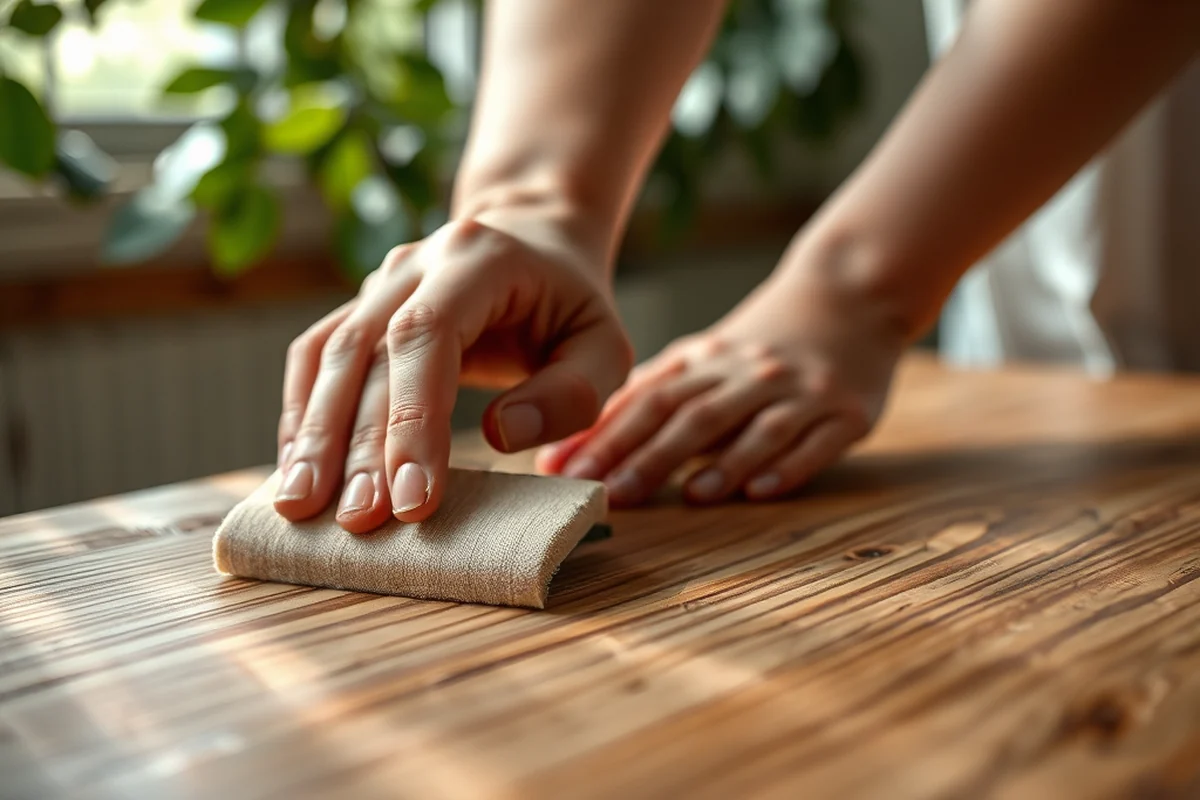
One of the most rewarding aspects of building desk furniture for kids is the ability to customize every detail. I built one desk with a built-in drawer for storing crayons, pencils, and books, which kept my son’s workspace organized and clutter-free. Another desk had a slanted surface that helped him write more comfortably without straining his neck.
Customization doesn’t just apply to the features of the desk — it also includes the color, material, and even the overall design. I used a light wood stain on my first desk, which made it look warm and inviting. A few years later, I painted another desk in a bold, bright color to match my daughter’s room and make it more fun for her to use.
I’ve also found that adding storage options like shelves or small drawers can make a huge difference in how the desk is used. My son’s desk now has a small shelf on the side where he keeps his favorite toys and books, making it a multi-functional learning center.
Customization is where DIY becomes personal.
Related: Office depot desks
Budget-Friendly Materials and Techniques
I learned early on that building desk furniture for kids can be done on a budget if you know where to look. I found most of the materials I needed at a local hardware store, where I could buy 2x4s, 1x3s, and a few other essential pieces for under $40. I also used leftover wood from a previous project, which saved me even more money.[2]
Another tip I picked up was to use paint that’s safe for kids. I used a water-based wood stain that was non-toxic and easy to apply. It didn’t take long to dry, and it gave the desk a professional finish. I also used a wood sealer to protect the surface and make it easier to clean, which was a lifesaver when my kids spilled juice or crayon everywhere.
Using secondhand materials also helped me keep costs down. I once found a used desk frame at a garage sale for under $10, which I repurposed into a new desk by adding a fresh coat of paint and some new drawers. It was a great way to reuse materials and give something new a second life.
Look for used furniture pieces or leftover wood from other projects. A little creativity can go a long way when it comes to building desk furniture for kids.
“I remember the first time I sat my son at his brand new desk.”— DIY Floating Desk Units editors
Related: Living room end tables
Ensuring Safety and Comfort

Safety is one of the most important aspects of building desk furniture for kids, and I made sure to prioritize it from the start. I always used rounded edges on all of the desks I built, and I sanded them down to the smoothest finish possible. This not only prevented injuries but also made the desks more comfortable for my kids to use.
I also made sure to install the desk at the right height. I used the formula of 1/3 of the child’s height to determine the ideal desk height, which worked out perfectly for my son when he was 5 years old. As he grew, I adjusted the legs using an adjustable leg kit, which I found online for under $15.[3]
Comfort is another key factor. I added a soft, padded surface to my daughter’s desk, which made it more comfortable for her to sit and write. This simple addition made a big difference in how often she used the desk and how long she could stay focused on her work.
Related: Boho living room ideas
Building the Desk: A Step-by-Step Guide
Building desk furniture for kids doesn’t have to be complicated. I started by sketching out a simple design on paper and then went to the hardware store to get the necessary materials. I used 2x4s for the frame and 1x3s for the desk surface, which gave me a sturdy and stable base.
Once I had all the materials, I assembled the frame and then attached the desk surface using screws. I made sure to use wood glue in addition to screws for extra strength. After the frame was assembled, I sanded all the edges to make them smooth and rounded for safety.
Next, I added the finishing touches like a coat of paint or wood stain. I used a water-based wood stain that was non-toxic and easy to apply. After the stain dried, I added a wood sealer to protect the surface and make it easier to clean. Finally, I added a small shelf on the side for storage, which completed the desk and made it more functional.
Related: Desk hutch top only
Longevity and Upgrades: Making the Desk Last
I’ve built several desks for my kids, and I’ve found that using quality materials and thoughtful design is the key to making them last. I used solid wood for the frame and surface, which made the desks more durable and resistant to wear and tear. I also made sure to add a few extra layers of wood stain and sealer to protect the surface from spills and scratches.
One of the best upgrades I made was adding an adjustable leg kit to one of the desks, which allowed me to easily adjust the height as my children grew. This simple addition made the desk more versatile and extended its useful life by several years.
I also found that adding a few extra storage options, like small drawers or shelves, made the desks more functional and helped keep my kids’ supplies organized. These small upgrades not only improved the look of the desk but also made it more practical for everyday use.
A little extra care goes a long way in making your desk last.
Related: How to design an at home office
The Impact of a Custom Desk on a Child’s Learning Environment
I’ve noticed that having a custom desk in my child’s learning space has had a noticeable impact on their focus and productivity. The desk I built with a slanted surface and built-in drawers helped my son stay organized and focused during homework time. He could keep all his supplies in one place, which made it easier for him to get started on his work without getting distracted.
I also found that having a desk that was the right height for my child helped improve their posture and reduce eye strain. This small change had a big effect on their overall comfort during long study sessions. It made a noticeable difference in how long they could stay focused on their tasks.
Another benefit of a custom desk is that it allows for personalization and creativity. My daughter loved the way her desk looked in her room, and it became a part of her personal space. This helped her feel more connected to her learning environment and made it more enjoyable for her.
💰 Budget Build
A simple, low-cost desk using leftover wood and basic tools. Ideal for families on a tight budget.
⏰ Weekend Version
A quick and easy desk that can be built in one weekend with minimal effort and time.
✨ Upgraded Finish
A desk with a high-quality finish and extra storage options, perfect for a more polished look.
📐 Small-Space Adaptation
A compact desk designed for small spaces, with foldable or wall-mounted features for flexibility.
🏠 Rental-Safe Option
A lightweight desk that can be easily disassembled and moved, ideal for families renting homes.
| The mistake | Why it happens | The fix |
|---|---|---|
| Ignoring the height of the desk | A desk that’s too tall or too short can cause posture issues and discomfort for kids. | Use the 1/3 rule for desk height and consider adding an adjustable leg kit for flexibility. |
| Using toxic or harsh materials | These materials can be harmful to children, especially if they come into contact with their skin or are ingested. | Always use non-toxic wood stains, paints, and finishes that are safe for kids. |
| Neglecting to sand all edges | Sharp edges can cause injuries and make the desk uncomfortable for kids to use. | Take the time to sand all edges to a smooth finish, and use rounded edges for added safety. |
| Overcomplicating the design | Adding too many features can make the desk more difficult to build and maintain. | Start with a simple design and add features gradually as needed. |
Desk Furniture For Kids
Common Questions
What materials are best for building desk furniture for kids?
How do I make sure the desk is the right height for my child?
What tools do I need to build a desk for kids?
How long does it take to build a desk for kids?
References
Cite this guide
DIY Floating Desk Units (2026). Desk Furniture For Kids. https://deskspaceplan.com/desk-furniture-for-kids/
Feel free to cite or share this guide.
Desk Layout Space Planner
Enter your room and desk size. See whether the desk, chair clearance and shelving fit, and get a step-by-step layout plan.
Open it free →