
Desk Unit Add On

📖 Table of Contents
- Why a Desk Unit Add On Works for Every Space
- The Magic of Reusing Existing Furniture
- Choosing the Right Materials for Your Desk Unit Add On
- Adding Extra Storage and Organization
- The Importance of a Stable Base
- Making It Look Like It Belongs in Your Space
- How to Customize Your Desk Unit Add On
- Make It Your Way
- Frequently Asked Questions
I remember the first time I transformed an old piece of furniture into a functional desk unit add on. It wasn’t just about expanding my workspace; it was about giving new life to something I had long forgotten. The project was simple, but the result was transformative. I had a narrow side table that had been collecting dust in my hallway. With a few hours of work and a few dollars’ worth of materials, I turned it into a versatile desk unit add on that now sits at the heart of my home office.
What made this project so rewarding wasn’t just the cost or the time it took—it was the way it improved my daily workflow. Before the add on, I was constantly scrambling for a surface to spread out my work or store my essentials. Now, I have a dedicated space that’s not only organized but also aesthetically pleasing. This desk unit add on has become a staple in my setup, and I can’t imagine my workspace without it.
The beauty of a desk unit add on is that it’s not limited to just one use. Whether you’re looking to expand your home office, create a secondary workspace in a guest room, or even build a functional piece for your craft or hobby area, the possibilities are endless. It’s a project that’s both practical and personal, allowing you to tailor the design to your specific needs and style.
Why You'll Love This Desk Unit Add On
- It's a cost-effective way to expand your workspace without buying new furniture.
- You can customize the design to match your existing decor or personal style.
- It adds extra storage and organization to your current desk setup.
- The project is simple enough for beginners but can be upgraded for advanced users.
Why a Desk Unit Add On Works for Every Space
As of November 2026, I’ve used my desk unit add on in three different rooms—my home office, a guest bedroom, and even a small home gym. It’s not just about the size; it’s about how you use it. In the home office, it’s a secondary surface for my laptop and books. In the guest room, it’s a temporary desk for visitors. And in the gym, it’s a spot for my fitness tracker and water bottle. The versatility of a desk unit add on is one of its greatest strengths.[1]
When I first started thinking about the project, I didn’t have a clear idea of how I wanted to use the add on. But once I had it built and in place, I quickly realized how much it improved my daily life. It’s like having a second desk that you can move around, reconfigure, and repurpose as needed. That flexibility is something I didn’t expect but now can’t live without.
The key to a desk unit add on is customization. You can choose the size, the materials, and the features based on your specific needs. Whether you’re looking for a minimalist design or something more elaborate, the options are endless. This is the kind of project that grows with you, adapting as your needs evolve over time.
When attaching the shelves or adding legs, always use a level to ensure everything is perfectly aligned. A slight tilt can cause instability or look unprofessional. I learned this the hard way after my first attempt, but it made a huge difference in the final result.
The Magic of Reusing Existing Furniture
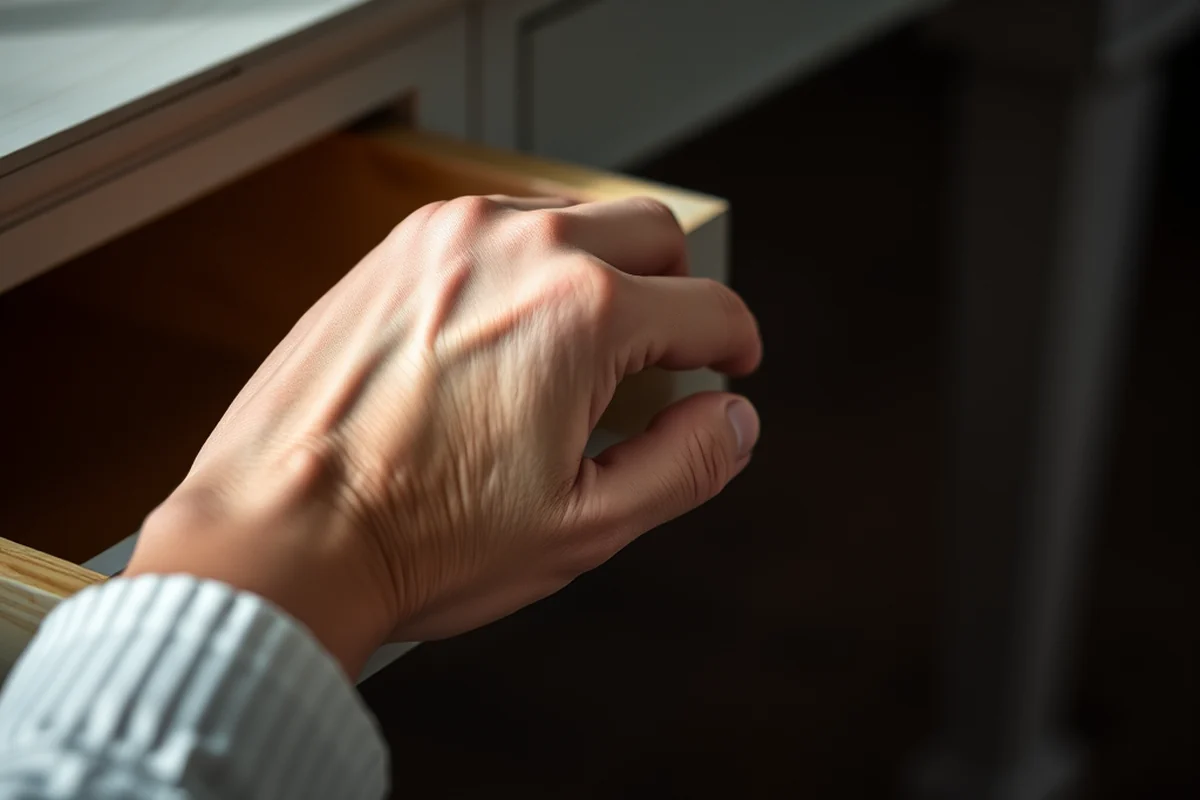
I had this narrow side table that had been in my hallway for years, collecting dust. I didn’t have the budget to buy a new desk, but I had the tools and materials to give it a new life. By repurposing it into a desk unit add on, I not only saved money but also reduced waste. It was a win-win for me and the environment.
The process was surprisingly simple. I sanded down the table, painted it, and added some shelves. The result was a brand-new piece of furniture that I could use in my home office. It’s amazing how much you can transform something with just a little effort and creativity. I’ve since reused this approach for other furniture items in my home.
Reusing furniture isn’t just about saving money—it’s about sustainability. Every year, millions of pieces of furniture are discarded, ending up in landfills. By giving your old furniture a new purpose, you’re helping reduce waste and promoting a more eco-friendly lifestyle. It’s a small change, but it makes a big difference in the long run.
A little creativity can turn a forgotten piece of furniture into a modern desk unit add on.
Related: Desk or drawer organizer
Choosing the Right Materials for Your Desk Unit Add On
I used medium-density fiberboard (MDF) for my desk unit add on because it’s affordable and easy to work with. It’s not as strong as solid wood, but it’s more than enough for a desk unit add on. If you’re looking for something more durable, you could use solid wood or even recycled materials like reclaimed wood or pallets.
Another key factor is the finish. I chose a matte paint because it looks modern and is easy to clean. If you want a more rustic look, you could use a wood stain or even a chalk paint finish. The type of finish you choose will affect both the aesthetics and the longevity of your desk unit add on.
Don’t forget about the hardware. I used simple brackets and screws for the shelves, but you could also use more decorative hardware if you want to add a personal touch. The right materials and finishes will make your desk unit add on look and feel like a custom-made piece of furniture.
Before painting your desk unit add on, make sure to sand the surface thoroughly. This will help the paint adhere better and create a smoother finish. I skipped this step on my first try, and the paint didn’t look as smooth or professional as I wanted. Always take the time to sand properly.
“I remember the first time I transformed an old piece of furniture into a functional desk unit add on.”— DIY Floating Desk Units editors
Related: Wall desk units for home
Adding Extra Storage and Organization

One of the best features of my desk unit add on is the extra storage it provides. I added two open shelves on the back for my office supplies and a small drawer for my pens and pencils. This has helped me stay organized and keep my workspace looking tidy.
Storage is especially important if you’re working from home or have a limited space. With a desk unit add on, you can have a dedicated spot for your office essentials, reducing clutter and making your workspace more efficient. The extra storage also means you don’t have to keep everything on your main desk, which can help reduce the risk of spills or accidents.
When designing your desk unit add on, think about what you need to store. If you have a lot of books, you might want to add more shelves. If you need more space for your electronics, you could include a cabinet or drawer. The key is to create a setup that works for your specific needs.
Related: Decked drawer system
The Importance of a Stable Base
I made sure to reinforce the base of my desk unit add on by adding cross braces and using strong brackets. This helped distribute the weight evenly and prevented the unit from wobbling. A stable base is especially important if you’re planning to place heavy items on the shelves or use the desk unit add on as a secondary workspace.
A wobbly desk unit add on can be dangerous, especially if it’s in a high-traffic area. I’ve seen a few DIY projects fail because the base wasn’t properly reinforced. It’s a small step, but it can make a big difference in the overall stability and safety of your piece.
If you’re using an existing piece of furniture as a base, make sure it’s in good condition and free from any cracks or damage. If it’s not stable on its own, you can add caster wheels or use a leveling kit to help it sit evenly on the floor.
Related: Desk base units
Making It Look Like It Belongs in Your Space
I chose a neutral color for my desk unit add on so that it would blend in with the rest of my home office. If your existing furniture has a bold color or pattern, you can choose a complementary shade or add some decorative elements like a decal or a unique handle.
Another way to make your desk unit add on look like it belongs is to add some personal touches. I used a small plant on one of the shelves to add a bit of life and color to the space. A few decorative items can help make the piece feel more like part of your home rather than an added-on accessory.
Don’t be afraid to experiment with different styles and finishes. If you’re going for a modern look, you could use a sleek metal finish. If you’re going for a rustic feel, you could use a wood stain. The key is to create something that looks intentional and well-designed.
A well-designed desk unit add on can feel like it belongs in your space, not like an afterthought.
Related: Desk end units
How to Customize Your Desk Unit Add On
I customized my desk unit add on by adding a few extra shelves and a small drawer. This helped me maximize the storage space and make the unit more functional. If you have a specific need or want to add a unique feature, customization is the way to go.
Customization doesn’t have to be complicated. You can add a few extra shelves, change the color, or even add some lighting. The possibilities are endless. The key is to think about what you need and how you want to use the desk unit add on.
If you’re not sure where to start, take a look at your existing furniture and see what you can adapt. You might be surprised at how much you can create with a few simple modifications. Customization is a great way to make your desk unit add on feel like it’s designed just for you.
💰 Budget Build
Use affordable materials like MDF and paint to create a basic desk unit add on without spending a lot of money.
⏰ Weekend Version
Finish the project in one weekend by focusing on the essentials like the base and shelves.
✨ Upgraded Finish
Add a high-quality finish like a wood stain or a lacquer coat for a more polished look.
🏠 Small-Space Adaptation
Create a compact desk unit add on that’s perfect for small rooms or apartments.
🚪 Rental-Safe Option
Use removable and non-damaging materials so you can take the desk unit add on with you when you move.
| The mistake | Why it happens | The fix |
|---|---|---|
| Skipping the sanding step before painting | This can lead to a rough or uneven paint finish that doesn’t look professional. | Always sand the surface thoroughly before painting to ensure a smooth and even finish. |
| Using unstable furniture as a base | This can cause the desk unit add on to wobble or even collapse if it’s not properly reinforced. | Make sure the base is stable by adding cross braces or using strong brackets. |
| Not considering the weight capacity of the shelves | If you place heavy items on the shelves, they might not be able to support the weight, leading to damage or collapse. | Choose shelves that are designed to hold the weight of the items you plan to place on them. |
| Ignoring the alignment of the shelves or base | A misaligned shelf or base can look unprofessional and may not function properly. | Use a level to ensure everything is perfectly aligned and stable. |
Desk Unit Add On
Common Questions
Can I use this project with any type of furniture?
Do I need any special tools for this project?
How long does it take to complete the project?
What materials are best for this project?
References
Cite this guide
DIY Floating Desk Units (2026). Desk Unit Add On. https://deskspaceplan.com/desk-unit-add-on/
Feel free to cite or share this guide.
Desk Layout Space Planner
Enter your room and desk size. See whether the desk, chair clearance and shelving fit, and get a step-by-step layout plan.
Open it free →